Wooden furniture with recycled materials: a growing trend in sustainable design
Sustainable design is gaining more and more prominence in the world of furniture. One of the strongest trends is the use of recycled or reclaimed wood, which allows creating unique furniture while reducing environmental impact and promoting a circular economy.
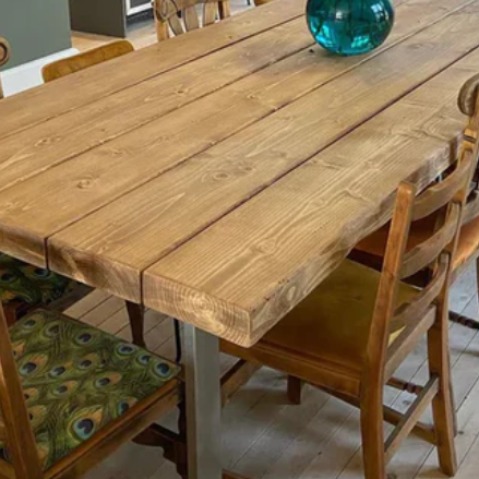
The value of recovered wood More and more designers and manufacturers are betting on reusing wood from old buildings, pallets, disused furniture or industrial remains. This material, known as reclaimed wood, preserves marks, grains and textures that give personality to each piece. Unlike new wood, each recovered board has a previous history that is reflected in its appearance, making the furniture unique pieces with great aesthetic value. Sustainability and design go hand in hand. The trend responds to a growing concern about the environmental impact of the furniture industry. Using recycled wood allows us to reduce tree felling and take advantage of existing materials, reducing waste and emissions associated with the production of new materials. Additionally, many projects incorporate circular economy principles, where furniture can be repaired, refurbished or reused rather than discarded. New aesthetics in furnitureThe use of reclaimed wood is also influencing the aesthetics of interior design. Surfaces with visible grain, natural edges and more organic finishes are becoming increasingly popular, as they provide authenticity and connection to nature. This trend aligns with a growing search for warm materials and real textures in home spaces, where wood once again occupies a central place in decoration. An opportunity for the timber sectorFor the timber industry, this movement represents an opportunity to develop new product lines based on material recovery, recycling and sustainable design. The growth of this type of furniture shows that the future of the sector is not only in producing more wood, but also in making better use of available resources and generating products with greater added value.