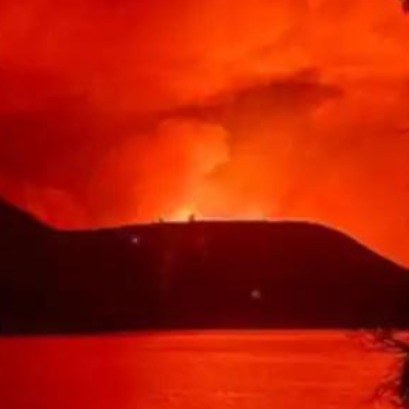
More than 10,000 rural fires per year: the CPIA warns that Argentina needs a permanent prevention policy
The Forest Technical Commission of the Professional Council of Agronomic Engineering (CPIA) publicly outlined its position regarding the growing recurrence and severity of rural fires in Argentina, basing in a document the need to prioritize comprehensive prevention strategies in the country. The Technical Forestry Commission of the CPIA expresses, initially in the document, "its deep regret for the serious damage caused by the rural fires that are currently ravaging Argentine Patagonia", particularly in regions such as Northern Patagonia, Los Alerces National Park and other affected areas in the provinces of Chubut, Río Negro, Neuquén, La Pampa and Santa Cruz
We express our solidarity with all the communities impacted by this environmental and human tragedy. As a professional commission specialized in forestry and agronomic issues, we consider it our duty to contribute to the public debate from a technical, responsible and long-term perspective, they stressed. Unfortunately, from a communication and operational point of view, the recurrence of these catastrophic events became normal. No substantive changes are observed in the strategies to confront them, despite the fact that the results have been repeatedly devastating, they pointed out. The dramatic recent history in Argentina of rural fires The 2020 season was one of the most destructive on record, with more than 1,150,000 hectares affected nationwide, including vast extensions in the Paraná Delta and Córdoba. Added to this are serious seasons such as 2016-2017, with more than 2,000,000 hectares burned in the Pampas and northeastern Patagonian regions, and 2021-2022, with approximately 1,054,000 hectares burned in total, highlighting the fires in Corrientes that devastated nearly 934,000 hectares and caused significant economic and ecological losses. More recently, the 2024-2025 and current seasons 2025-2026 have continued this trend, with hundreds of thousands of hectares consumed by fire - in January alone, more than 140,000 hectares were reported by the National Fire Management Service (SNMF) that have been devastated, the most relevant being 73,000 in the province of La Pampa and 55,000 in the province of Chubut, detailed from the Technical Commission. These events are not isolated episodes, but a persistent trend that the country has not been able to reverse, aggravated by extreme climatic conditions such as prolonged droughts and high temperatures, the professionals explained. Likewise, they asserted that Argentina systematically records figures exceeding ten thousand rural fires per year, which shows a structural change in the fire regime and confirms that the problem can no longer be addressed solely from the logic of reactive emergency, but as a permanent policy of public and environmental security. We recognize and value the current efforts in combat by those who honestly and effectively they are acting to control and protect lives, communities and ecosystems. However, the idea has been established that a larger budget for combat is the main solution to confront the problem. Experience shows that it is not enough to increase resources if a strategy focused almost exclusively on combat and extinction remains unchanged. Without a profound shift towards preventing the start of fires, the results will continue to be the same, perpetuating the destruction of biodiversity, soil degradation and the exposure of vulnerable communities, they explain. The priority to avoid fires is prevention. In this context, the Technical Forestry Commission of the CPIA is convinced that the central axis of public policy must be the active prevention of the occurrence of fires, understanding that a majority of them have human origin, either due to negligence or intentionally, as has been confirmed in many of the current outbreaks in Patagonia.Fire is a natural part of many ecosystems, but the problem lies in the current magnitude of the fire outbreaks, which seriously affects the resilience capabilities of the systems. In this sense, professionals propose as a national priority:1. Incremental, mandatory and permanent preventive patrol. A coordinated and mandatory territorial patrol system must be established throughout the high-risk season, with the joint participation of the National Gendarmerie, the Argentine Federal Police, the provincial police and other security forces. This deployment should focus especially on urban-rural interface areas, national parks and sectors historically vulnerable to the occurrence of fires, such as Patagonia.2. Intensive use of technology for deterrence and detection. The country must normalize the systematic use of drones, satellite monitoring, thermal cameras and intelligent image analysis systems, not only to detect incipient outbreaks, but to identify suspicious behavior. Modern prevention requires visible territorial presence and permanent technological capacity, integrating tools such as those provided by the National Fire Management System and environmental monitoring satellites.3. Responsible territorial planning. Unregulated urban expansion in high-risk areas has dramatically increased the populations exposure. Rebuilding over and over again in the same places, without preventive planning, is socially, humanly and economically unsustainable. It is urgent to implement planning plans that regulate land use in fire-prone areas, promoting ecological restoration and risk zoning.4. Education and citizen awareness should be considered a central axis of fire prevention policies. Continuous training, the dissemination of good practices and early environmental education allow us to anticipate and mitigate risk behaviors, reducing the occurrence of fires of human origin. Investing in preventive education not only reduces pressure on fire response and combat systems, but also contributes to the sustainable protection of ecosystems, productive infrastructure and communities.5. Sustainable management of native forests for prevention. Although fire is part of ecosystems, it is essential to emphasize the importance of active and responsible management of native forests, including practices such as reducing fuel load, restoring degraded areas, and planning with use of existing natural barriers to mitigate the risk of fire spread and strengthen the resilience of ecosystems in the face of extreme events.6. Effective criminal prosecution and exemplary sanctions. Prosecutors offices and courts must act more quickly and effectively in the investigation of rural fires. The identification and conviction of those responsible—negligent or intentional—is essential to generate a real deterrent effect. Without timely sanctions proportional to the damage caused, impunity will continue to fuel the repetition of these tragedies, as evidenced in cases where the human origin has been confirmed but not adequately prosecuted. “Our conclusion is categorical: as long as the country continues to concentrate its efforts almost exclusively on combating already declared fires, it will continue to regret human losses, destruction of communities and environmental degradation,” they highlight in the document. “Fires are not inevitable natural disasters: the vast majority are preventable events, aggravated by anthropic and climatic factors. that require a comprehensive response," they add. The CPIA, through its Forestry Technical Commission, reiterates its total willingness to collaborate technically and institutionally in the design of a modern, comprehensive and effective strategy, focused on prevention, deterrence and protection of human life.