Reforestation advances in the Historic Sanctuary of Machu Picchu with new restored hectares
The plan includes the planting of a thousand new trees in the sanctuary, in response to the damage caused by forest fires and environmental threats, with the support of local authorities and representatives of the tourism sector.
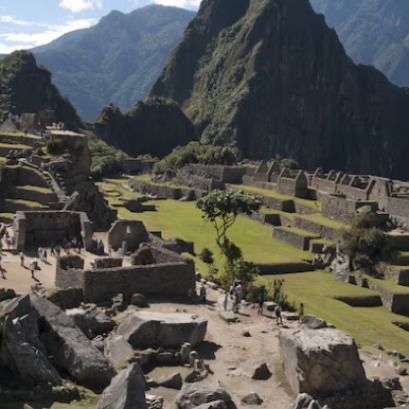
The National Service of Natural Areas Protected by the State (Sernanp) carries out an ambitious process of environmental recovery in the Historical Sanctuary of Machu Picchu. The organization is advancing in the reforestation of 570 hectares, as part of its actions to restore areas affected by forest fires and predation, as announced by the executive president of the entity, José Carlos Nieto. Nieto explained that there is a pending gap in the restoration of forested areas in this site, declared protected by the Peruvian State. In agreement with the tourism sector and the local municipality, the plan foresees the planting of a thousand trees in the surroundings of the sanctuary. “What we have proposed together with the tourism businessmen and the district municipality is to plant a thousand trees for Machu Picchu,” declared José Carlos Nieto, in reference to the multi-party coordination that characterizes the initiative. The Historical Sanctuary of Machu Picchu covers an extensive surface and protects an important biological diversity. Its category as a protected natural area is due to the presence of a varied range of flora and fauna species. Sernanp performs the function of monitoring and maintaining this heritage in the face of different environmental threats. The executive president of the organization explained that nearly 6,000 hectares have been affected by forest fires in recent years. The impact of these events represents a permanent challenge for conservation, which it now faces with restoration strategies and joint management with nearby communities. We have formed an important team to combat forest fires and we also work with the communities, Nieto pointed out. This cooperation has enabled progress to reverse the loss of forest area and consolidate continuous reforestation processes.Reforestation, neutral carbon and waste: advances in environmental managementThe actions promoted by Sernanp are part of inter-institutional efforts to strengthen the environmental condition of the site. Machu Picchu has been recognized with sustained international certifications for its carbon neutral destination status. Recent reforestation initiatives contribute to the reduction and compensation of the carbon footprint, strengthening the ecological prestige of the tourist destination. Along with forest recovery, waste management in the town has undergone relevant modifications. These improvements have influenced the responsible management of waste and the consolidation of sustainable practices, in accordance with the international standards required by the tourist flow to this enclave of Cusco. Machu Picchu Citadel and Historical Sanctuary: fundamental differences The Inca llacta or citadel of Machu Picchu constitutes the main archaeological attraction and represents the architectural footprint of the Inca civilization. Located on the top of a mountain, the citadel consists of a complex of buildings, terraces and paths that preserve pre-Columbian engineering and cultural legacy. In contrast, the Historical Sanctuary of Machu Picchu includes a much larger area that surrounds and protects the citadel. This delimitation covers natural ecosystems, basins, communities and biological corridors essential to preserving biodiversity. The sanctuary guarantees the ecological integrity of both the archaeological remains and the natural environment where they are located.Environmental recovery: next stepsFrom the perspective of the authorities, the recovery of the Historic Sanctuary of Machu Picchu requires a constant approach. Sernanp will continue with reforestation and alliances with different sectors, in parallel with the strengthening of control brigades in the event of forest emergencies. In this way, the protected area reinforces its position as a reference in heritage conservation and environmental management.
IT MAY INTEREST YOU
 Native forest | In Misiones, controls are tightened on routes for illegal transport of native wood, logging of forests without permits and fraudulent digital guides
Informality in forestry activity in Misiones was once again evident, the culture of operating illegally is a historical problem, and the Ministry of Ecology and Renewable Natural Resources carries out the corresponding control and inspection operations in the regulation of productive activity and sustainable management for the use of native forests.
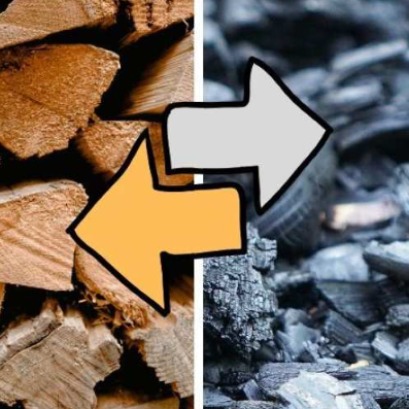 Canadian researchers make biochar from wood waste that rivals steel in strength
Researchers at the University of Toronto have developed monolithic biochar from wood that can reach an axial hardness of up to 2.25 GPa, similar to mild steel.
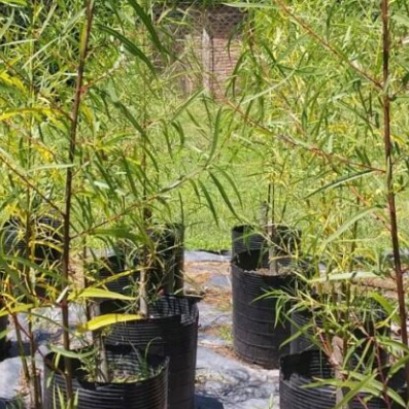 INTA Delta begins propagation of seven Creole willow clones for ecological restoration in Paraná
As a result of the rescue, domestication and registration work carried out by Teresa Cerrillo, a leading researcher in Salix Genetic Improvement, within the framework of the National Genetic and Forest Resources Programs of INTA, the multiplication and propagation of seven clones of Creole willow (Salix humboldtiana) began recently registered in the National Seed Institute (INASE) by INTA Delta del Paraná.