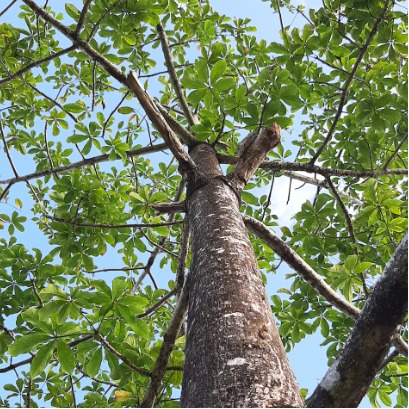
Red gold: the well -known Latin American tree that is a luxury and culture symbol
The wood of this iconic exemplary is vital for the environment and represents durability, beauty and versatility. In Latin America, there is an iconic tree that stands out not only for its important presence, but also because the quality of wood is such that it is known as red gold.
This tree, a symbol of the natural wealth of the region, not only stands out for its beauty, but also for its vital importance for the environment, economy and local culture. For centuries, its durability, versatility and attraction have made it a key resource for various communities. It is about the so -called mahogany tree (scientifically known as Swietenia Macrophylla), originally from the tropical forests of Latin America. It is known for its wood, its resistance to pests and its ability to withstand the most extreme climatic conditions. Another extraordinary characteristic of this mahogany tree, is that its wood is the preferred material for luxury furniture, musical instruments and high -end vessels. This tree, whose silhouette looks like a whale crossing the sea, grows in countries such as Brazil, Bolivia, Peru, Peru, Ecuador, Ecuador, Colombia and Venezuela North, from Panama to Mexico, where phenomena such as hurricanes and floods have facilitated their regeneration. It grows, however, intensive exploitation and illegal logging significantly reduced its populations, which has led to its inclusion in Appendix II of the CITES, regulating its international trade. His cultural significance is extremely strong, since in local communities, mahogany represents strength and connection with nature. It is used in crafts and, in some cases, in traditional medicine, although without solid scientific evidence. Caoba not only beautifies tropical forests, but also supports ecosystems and cultures. However, for many environmentalists their future depends on sustainable practices that balance their use with conservation.
IT MAY INTEREST YOU
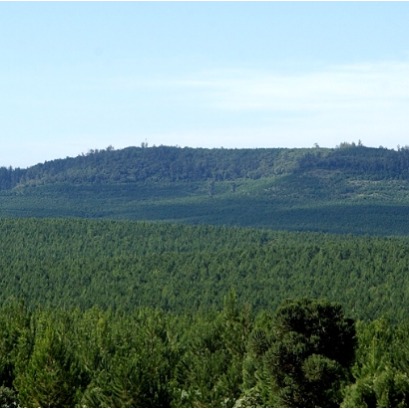 Free seminar on the implementation of the European EUDR regulation on deforestation-free wood products
The Argentine Forestry Association (AFoA) organizes the seminar «EUDR in Forest Products: Current status of implementation. Regulatory requirements and private experiences", which will take place on Wednesday, November 26, from 11:00 a.m. to 12:00 p.m., via Zoom, with live streaming on YouTube. The European Regulation on Deforestation-Free Products (EUDR) will enter into force on December 31, 2025 and will impose new requirements for forest products entering the European Union market.
 Missions | New illegal felling in the Piñalito Provincial Park in San Pedro reveals the silent expansion of deforestation in protected areas
The advance of deforestation on protected areas was once again evident this week in the Piñalito Sur Provincial Park, in San Pedro, where the Ministry of Ecology and Renewable Natural Resources confirmed a new case of selective illegal logging. The event occurs in a context of growing concern about the fragility of the environmental control system in rural and border areas, where the scarcity of resources, personnel and logistics limits the capacity of surveillance against criminal organizations organized to steal native woods and market them on the black market in connivance with sawmill owners.
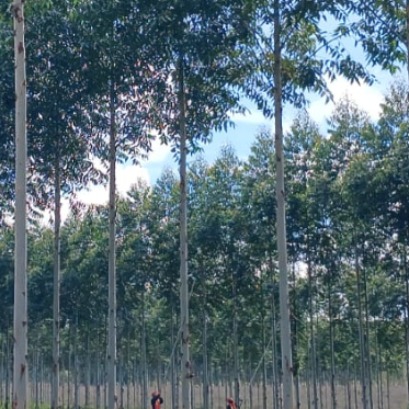 Paraguay | The plantations became instruments of territorial development and the generation of decent employment, INFONA highlights.
Plantings in different phases, control of ants and weeds, pruning and thinning, mechanized harvest, technology applied to the field and complete integration of the production cycle were part of the CREA Forestal proposal in its Technical Update Conference – JAT Forestal 2025. The event took place on Friday, November 14, at Estancia Ñemity, located in San Juan Nepomuceno, Caazapá, where agricultural producers, technicians, contractors, students and companies in the sector met to observe the forestry business of the future in action.