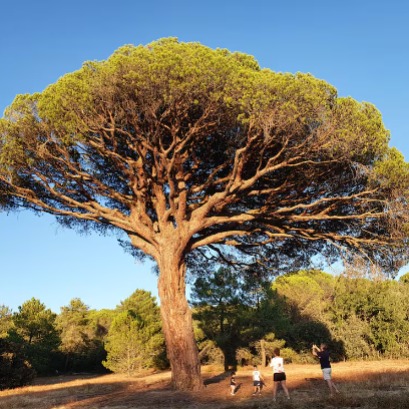
The only animal in the world that plant millions of trees every year and is vital for the conservation of nature
They play a crucial role in the conservation of forest ecosystems Nature is full of wonders and surprising processes that often go unnoticed. One of these phenomena is the ability of a small animal to plant millions of trees every year, playing a crucial role in the conservation of forest ecosystems.
The squirrels, those small mammals that we commonly see in parks and forests, have a much greater impact on the environment than we could imagine. During the fall, the squirrels are dedicated to collecting and storing nuts and seeds for winter. This behavior, known as Cacheo, implies burying these foods in various places to make sure you have enough provisions during the cold months. However, not all seeds and buried nuts are recovered by squirrels. Many of them are forgotten and, over time, germinate and become new trees. This involuntary plantation process is essential for forest regeneration and the expansion of green areas. The impact of squirrels on forest ecosystems is significant. When inadvertently planting thousands of trees, these creatures help maintain the diversity and vitality of forests. The new trees provide habitats for a variety of animal species and contribute to soil stability, preventing erosion. In addition, trees play a crucial role in the regulation of the local climate. They absorb carbon dioxide and release oxygen, improving air quality. They also help maintain soil moisture and regulate the water cycle, which is essential for the health of forest ecosystems. Tree plantation by squirrels not only benefits forests, but also has a positive impact on biodiversity. The new trees provide refuge and food for a wide range of species, from insects to birds and mammals. This increase in biodiversity strengthens ecosystems, making them more resilient against environmental changes and natural disasters. In addition, trees planted by squirrels can help connect forest fragments, creating ecological corridors that allow species to move freely and expand their territories. These runners are essential for the survival of many species, especially those that require large areas of habitat to prosper.
IT MAY INTEREST YOU
 Native forest | In Misiones, controls are tightened on routes for illegal transport of native wood, logging of forests without permits and fraudulent digital guides
Informality in forestry activity in Misiones was once again evident, the culture of operating illegally is a historical problem, and the Ministry of Ecology and Renewable Natural Resources carries out the corresponding control and inspection operations in the regulation of productive activity and sustainable management for the use of native forests.
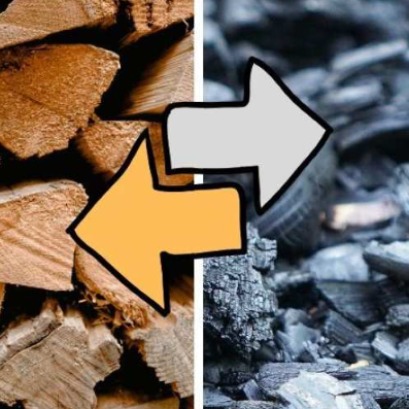 Canadian researchers make biochar from wood waste that rivals steel in strength
Researchers at the University of Toronto have developed monolithic biochar from wood that can reach an axial hardness of up to 2.25 GPa, similar to mild steel.
 Nation reinforces prevention and training against forest fires
The director of the Federal Emergency Agency (AFE), Santiago Hardie, referred to the support that the Nation provides in fighting fires. He argued that the majority of igneous sources respond to human interventions and that, therefore, social awareness is a central tool to reduce environmental, material and human damage.