Forest Innovation: New Sauce clones drive the timber industry
A technological development based on genetic improvement allows to increase productivity, reduce harvest times and strengthen the sustainability of production in the Paraná Delta
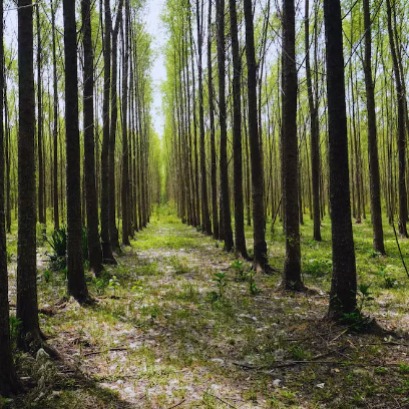
The Delta del Paraná is the epicenter of the production of willows in Argentina, and in that scenario, where the willows dominate the landscape and support one of the main productive chains of the country, a technological advance marks a before and after. Seis new clones developed by the INTA, in alliance with the private sector, combine quality, versatility and a production potential greater than traditional materials. This innovation not only strengthens the forestry industry, but also opens the path to a more efficient and sustainable forestry. Sauce and its key role in the industry Sauce (Salix spp.) It is a fundamental species in the forest economy of the Delta del Paraná. Its wood, appreciated for its whiteness, density and fiber quality, is key to the manufacture of paper and packaging. For more than two decades, INTA develops improved clones with higher attributes in growth, health and quality of wood. Now, with the industrial validation of six new clones ?Carapachay INTA-CEEF, the INTA-CIEF stream Paper, but they exceed it in the growth rate and righteousness of the shaft. This translates into greater productivity and efficiency in the use of wood. Sauce (Salix spp.) It is a fundamental species in the forest economy of the Delta del Paraná. Its wood, appreciated for its whiteness, density and fiber quality, is key to the manufacture of paper and packaging (INTA)
IT MAY INTEREST YOU
 Combilift Unveils the 2025 Christmas video “Twelve Days of Christmas” – with a Twist!
Monaghan, Ireland – November 2025
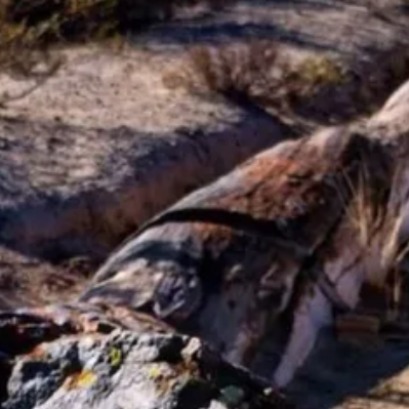 The forest of the oldest shadows: the story of the petrified trees
One of the natural treasures of Río Negro turns 23 years old under the protection law that allows its conservation. Where it is and how it was formed. Río Negro celebrates 23 years of conservation in the petrified forest as a Protected Natural Area (ANP). It is a space of 625 hectares that protects an exceptional site of fossil trunks that date back more than 60 million years.
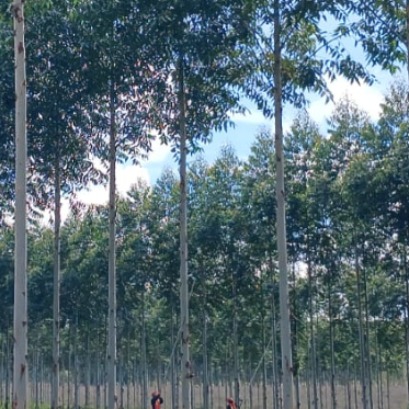 Paraguay | The plantations became instruments of territorial development and the generation of decent employment, INFONA highlights.
Plantings in different phases, control of ants and weeds, pruning and thinning, mechanized harvest, technology applied to the field and complete integration of the production cycle were part of the CREA Forestal proposal in its Technical Update Conference – JAT Forestal 2025. The event took place on Friday, November 14, at Estancia Ñemity, located in San Juan Nepomuceno, Caazapá, where agricultural producers, technicians, contractors, students and companies in the sector met to observe the forestry business of the future in action.