Natural Christmas | Promote responsible purchases at the end of the year parties with sustainable decoration and forest gifts
The network of forest and environmental communicators in Latin America and the Caribbean (Recofalc) set out to promote a campaign that helps demystify the use of artificial trees over the natives. «These occur mainly from oil, generating a high carbon footprint. In addition, its transport to long distances and its posterior waste in tons of plastic and iron aggravate their environmental impact. Opting locally cultivated natural trees not only reduces the impact on emissions, but also fosters local economies and the sustainable use of the earth, ?they highlight from Recofalc.
The environmental value of natural trees The natural trees come from managed plantations in a responsible manner, where areas destined for trade are reforested every year. This practice generates economic and social benefits for producing families and their communities. From the organization, they recommend choosing trees of nearby nurseries and, if possible, produced under organic certifications. CREATIVITY To decorate the home in a sustainable wooden way, it is positioned as a star material for sustainable Christmas decorations. Its characteristics of resistance, unique aesthetic and ability to air conditioning make it a versatile and friendly element with the environment. From wooden holders, rustic or decorated, these artisanal accessories can be made as a family, providing warmth and originality to the home. More and more creative recycling, from glass jars and twigs are transformed into original candlesticks with a natural and personalized touch. The campaign also promotes the purchase of artisanal products made by local communities, such as furniture, ornaments or non -timber forest products. When choosing these gifts, we are supporting the family economy and valuing the culture of the original communities, in addition to reducing our environmental footprint, the organizers underline. This Christmas, the invitation is clear: to give to the planet a more sustainable celebration. Choosing natural trees and forest products is a step towards conscious consumption that benefits both the environment and local communities.
IT MAY INTEREST YOU
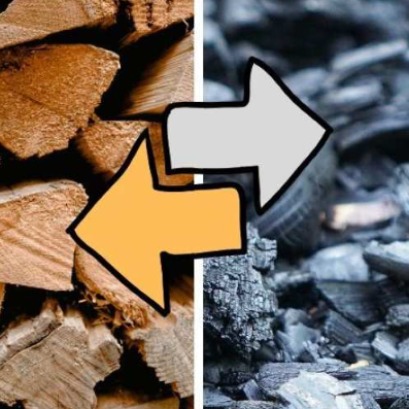 Canadian researchers make biochar from wood waste that rivals steel in strength
Researchers at the University of Toronto have developed monolithic biochar from wood that can reach an axial hardness of up to 2.25 GPa, similar to mild steel.
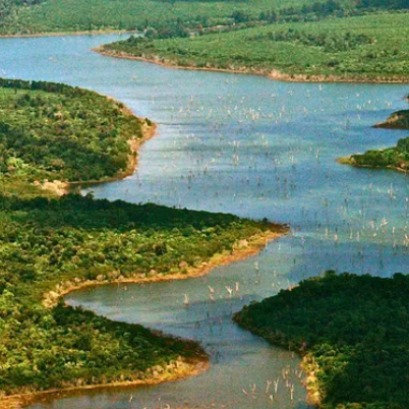 The second largest wetland in South America is located in Argentina: what is it?
Argentina has national parks that place it in a unique position within South America, competing with 300 others. Which is the largest? South America is home to more than 300 national parks, but many go unnoticed. There are extensive wetlands that have been the subject of major ecological restoration projects, to coastal mountains with deep indigenous heritage. Today we tell you the case of one located in Argentina.
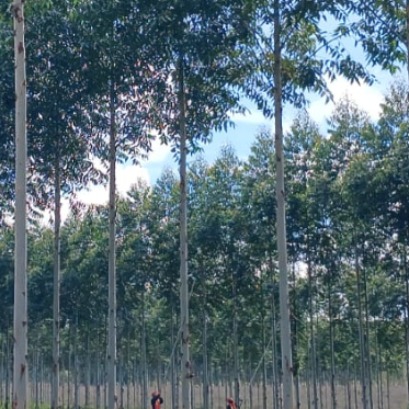 Paraguay | The plantations became instruments of territorial development and the generation of decent employment, INFONA highlights.
Plantings in different phases, control of ants and weeds, pruning and thinning, mechanized harvest, technology applied to the field and complete integration of the production cycle were part of the CREA Forestal proposal in its Technical Update Conference – JAT Forestal 2025. The event took place on Friday, November 14, at Estancia Ñemity, located in San Juan Nepomuceno, Caazapá, where agricultural producers, technicians, contractors, students and companies in the sector met to observe the forestry business of the future in action.