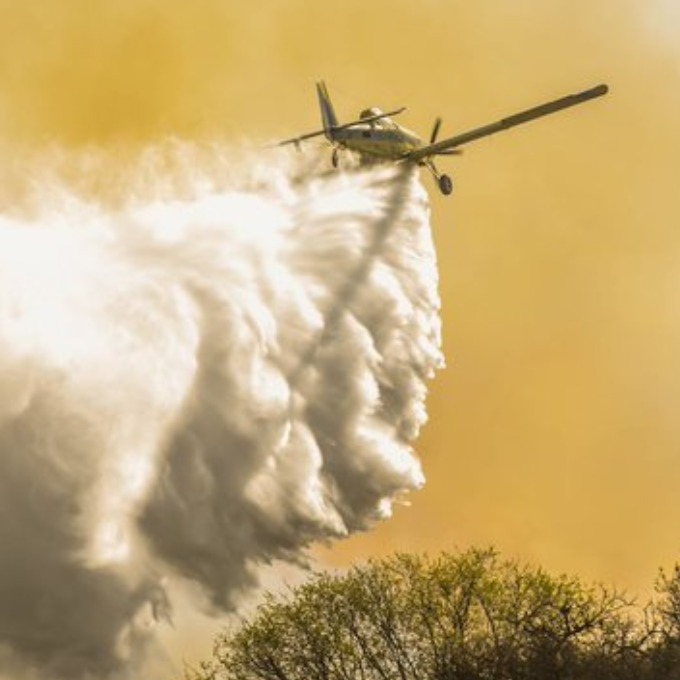
Córdoba | Neas fire management plan adds to the fight against fires with brigades, aerial and land media
Luis Chemes, director of the Provincial Fire Management Plan and the Base of PNMF NEA in Apostles, highlighted the complexity of the situation due to the topography and vegetation of the region of the Cordoba mountains. He also valued the importance of rapid attack and awareness and dissemination through the media about the problem. Through the National Fire Management Plan, the province of Misiones sent fifteen brigades and air and terrestrial media to Córdoba to help in the fight against forest fires that affect the region. This was confirmed by Luis Chemes, director of the Provincial Fire Management Plan, in dialogue with Misiones online.
The NEA regional, composed of missions, currents and between rivers, has its base in apostles and has aerial and land means provided by both the nation and the provinces. When any of the three provinces require help because they feel overwhelmed, the brigades of the National Fire Management Plan are attended, said the director, the fires in Córdoba have specific challenges due to the injured topography and the vegetation composed of grasslands , rocky land and hardwood shrubs. The situation becomes extremely critical because the wind becomes the dominant situation, he said. In addition, he stressed that fires affect populated areas, which further complicates extinction work. Before the situation in Córdoba, regional ones close to the province were first to work. Not being sufficient both personal and mechanical and aerial elements, the presence of other participants from other regional ones is required. The province provides three helicopters. Nation has a helicopter and hydrant plane and then we have countless forest vehicles adapted for the region, said Chemes. Despite this mobilization, the red earth maintains enough resources and personnel in its territory to respond to possible local emergencies. The director of the Plan Provincial Fire Management emphasized the importance of rapid attack in the fight against fires. The combo that occurs in that region and that we also have in Misiones, is low humidity, few rainfall, strong winds and accumulation of a lot of material, Both fine and thick. And that makes the component extremely complex, Chemes explained. It stressed that the fundamental premise is the rapid attack to prevent the fire from spreading. It is complex, I repeat, for the topography, for the type of vegetation, because they are populated places, this makes much more complex, sometimes one trying to defend one sector neglects the other and with the presence of the winds it is complicated and much. The last information we had began to control by sectors, not in the entire, by sectors. That does not mean that he is extinguished, he came to control, he said. Finally, Chemes thanked the dissemination of the information by the media, since he considers the awareness to prevent fires. Raising awareness and doing the work we all do, I think we can reach a good end. I do not say to completely eradicate the habit of enabling a floor to burn, but do all collections so that it does not happen to adults closed.
IT MAY INTEREST YOU
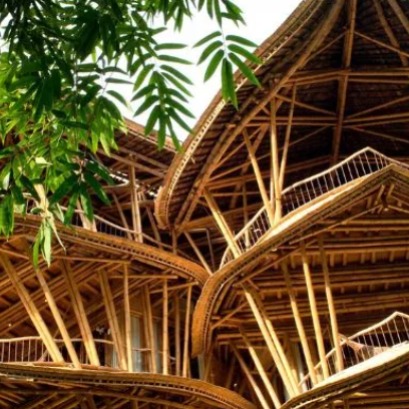 The South American country that changes construction thanks to an ancient, mega-resistant material: more than steel
This material that grows in South America creates the most resistant constructions and radically changes the world of architecture One particular building material has been used for millennia by various cultures in South America. This is due to its structural resistance that allows the creation of homes, bridges and shelters. Its archaeological presence shows that it was one of the most valued construction resources in seismic and humid areas.
 Color the streets pink and white in spring: which is the most beautiful tree in the world and why, according to AI
Its delicate branches, the soft tones of its petals and the harmonious shape of the tree make it an almost poetic image.
 Nation reinforces prevention and training against forest fires
The director of the Federal Emergency Agency (AFE), Santiago Hardie, referred to the support that the Nation provides in fighting fires. He argued that the majority of igneous sources respond to human interventions and that, therefore, social awareness is a central tool to reduce environmental, material and human damage.