Tucuman | The Santa Ana forest reserve in the Yungas was declared a new provincial park
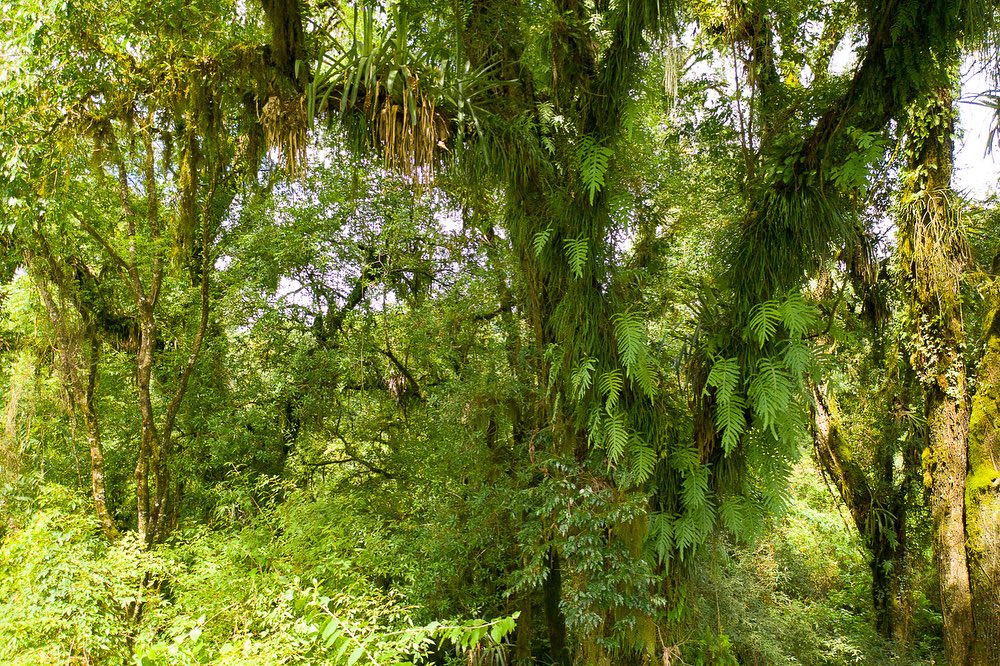
The government of the province of Tucumán made progress in the recategorization of the Santa Ana Protected Natural Area, of 14,500 hectares, as a provincial park
It arises from the effort in the negotiations between the Tucuman Ministry of Productive Development, provincial legislators and the Rewilding Argentina Foundation. It is one of the largest protected natural areas in Tucumán, as well as the southernmost protected area in Yunga.
The regulation, which declares this territory of 14,500 hectares as a "protected natural area", also provides for different actions aimed at "achieving the gradual recomposition of the biodiversity of the ecosystem of Las Yungas."
Bordering the Aconquija National Park and located in what was the Santa Ana Reserve, created in 1972 on the land of an old sugar mill, this new Provincial Park thus increased the protection of one of the southernmost and most important portions of the mountain forests. or yungas, including highly threatened sectors of foothill forest.
"The environmental project also contemplates the ecological restoration of the place, through the reintroduction of extinct species and the recovery of threatened species, in order to recompose the wildlife of the Yungas ecosystem and favor the biodiversity corridor that forms the two protected areas" , indicated from the NGO Rewilding Argentina.
In addition, the new park provides for public use of the area, which will require planning the development of nature tourism infrastructure and will provide new development opportunities for neighboring communities.
The unit is located in the southwest of the province of Tucumán, covering part of the lands that belonged to the former Santa Ana Sugar Mill, located in the Aguilares area.
Biogeographically it is located in the Yungas, extending over relatively low and gently broken mountain ranges further apart from Aconquija, leaning against the Cumbres de Santa Ana, constituting part of the Chico River basin.

IT MAY INTEREST YOU
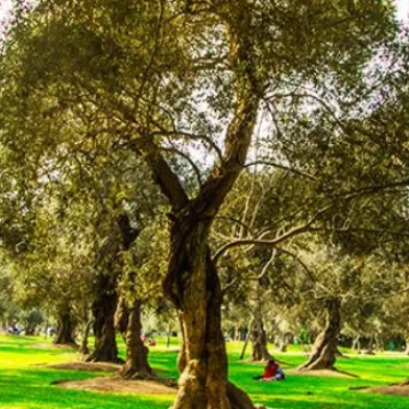 The city in South America that breathes thanks to a thousand olive trees planted in the 17th century
In the heart of South America there is a city that, among the noise and concrete, still breathes thanks to an olive forest
 Missions | New illegal felling in the Piñalito Provincial Park in San Pedro reveals the silent expansion of deforestation in protected areas
The advance of deforestation on protected areas was once again evident this week in the Piñalito Sur Provincial Park, in San Pedro, where the Ministry of Ecology and Renewable Natural Resources confirmed a new case of selective illegal logging. The event occurs in a context of growing concern about the fragility of the environmental control system in rural and border areas, where the scarcity of resources, personnel and logistics limits the capacity of surveillance against criminal organizations organized to steal native woods and market them on the black market in connivance with sawmill owners.
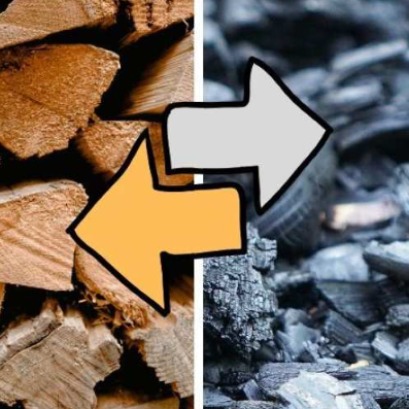 Canadian researchers make biochar from wood waste that rivals steel in strength
Researchers at the University of Toronto have developed monolithic biochar from wood that can reach an axial hardness of up to 2.25 GPa, similar to mild steel.