MONTE SALE
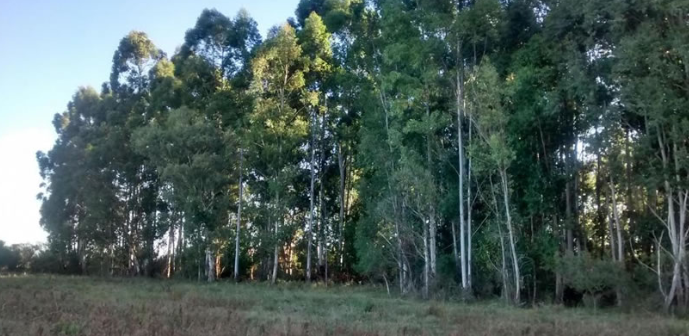
6 ha of EUCALIPTO GRANDIS STANDING FOREST
Our INTA Concordia Experimental Station announces the sale, through the Cooperating Association, of a total of 6.00 hectares (2 lots) of Eucalyptus grandis, from the original plantation, with an average age of 15 years, located in the Yuquerí Station, 12 km from the city of Concordia, with access to the property from a paved road and good consolidated access roads to the lots.
Bid closing period: August 8, 2023 at 11:00 a.m. at the INTA Concordia Station
Queries and contact Cooperadora by email: montero.mauricio@inta.gob.ar or +5493454930843
For visits to the lot: Mario Carmarán +5491168525464

IT MAY INTEREST YOU
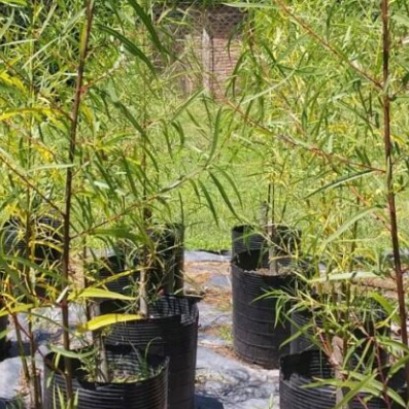 INTA Delta begins propagation of seven Creole willow clones for ecological restoration in Paraná
As a result of the rescue, domestication and registration work carried out by Teresa Cerrillo, a leading researcher in Salix Genetic Improvement, within the framework of the National Genetic and Forest Resources Programs of INTA, the multiplication and propagation of seven clones of Creole willow (Salix humboldtiana) began recently registered in the National Seed Institute (INASE) by INTA Delta del Paraná.
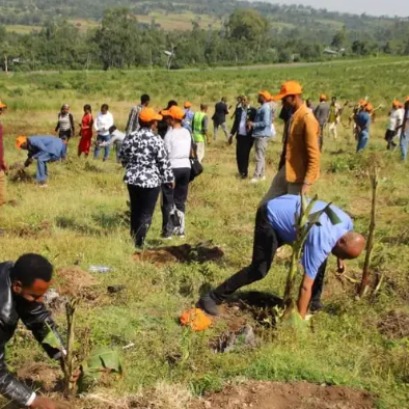 The country that planted 350 million trees in one day and caused great consequences
Discover the country that planted 350 million trees in one day and caused great consequences Climate change and deforestation have caused great ecological damage in many places. For this reason, a country planted 350 million trees in one day and thus obtained a world record, although it is estimated that in 2025, it will plant twice as many.
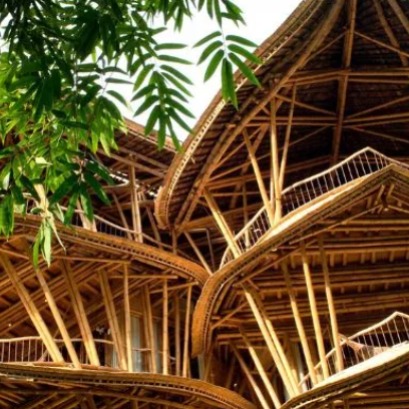 The South American country that changes construction thanks to an ancient, mega-resistant material: more than steel
This material that grows in South America creates the most resistant constructions and radically changes the world of architecture One particular building material has been used for millennia by various cultures in South America. This is due to its structural resistance that allows the creation of homes, bridges and shelters. Its archaeological presence shows that it was one of the most valued construction resources in seismic and humid areas.