
ABS ZERO LINE COEXTRUDED EDGEBANDING
THE AUTHENTIC LASER, IN CANTISA
New range available at Cantisa: technology and design merge to get the best finish in your furniture.
Zero Line Coextruded edgebanding, is now available in our catalogue to achieve an invisible union between edgebanding and surface.
With this new product, there is no need for any intermediate glue between edgeband and board, that would create a dark visible line between the edge and the surface. Zero Line edgeband enables visual zero joints that remain unchanged by time.
This new range of authentic laser edgeband comes to empower our existing range of pre-glued laser products, that also achieves an invisible union.
Why Zero Line edgebanding?
Zero Line coextruded edgebanding can be considered as one of the most recent innovations of the edgebanding industry. The objective of this product is making the joint between the edge and the surface almost invisible for the customer. It preserves better the accumulation of dust, humidity and the dirt than the EVA glue.
We recommend a preliminary test of our product to assess the optimal result of the joint.
Gloss and matt for trendy furniture
Gloss or matt? This is a common question when starting a project. No need to worry, from now on you can achieve the best results thanks to our Zero Line coextruded edgebanding in high gloss and supermatt finishes. Both options are a major trend in interior design. From the shiny reflections of gloss surfaces to the elegant and calm supermatt.


IT MAY INTEREST YOU
 Combilift Unveils the 2025 Christmas video “Twelve Days of Christmas” – with a Twist!
Monaghan, Ireland – November 2025
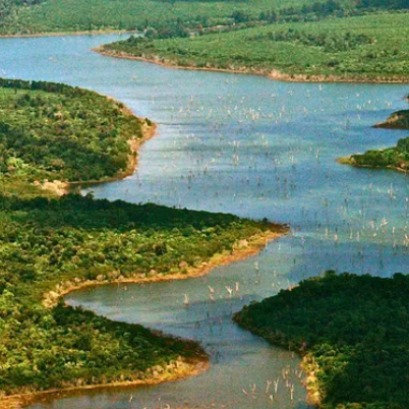 The second largest wetland in South America is located in Argentina: what is it?
Argentina has national parks that place it in a unique position within South America, competing with 300 others. Which is the largest? South America is home to more than 300 national parks, but many go unnoticed. There are extensive wetlands that have been the subject of major ecological restoration projects, to coastal mountains with deep indigenous heritage. Today we tell you the case of one located in Argentina.
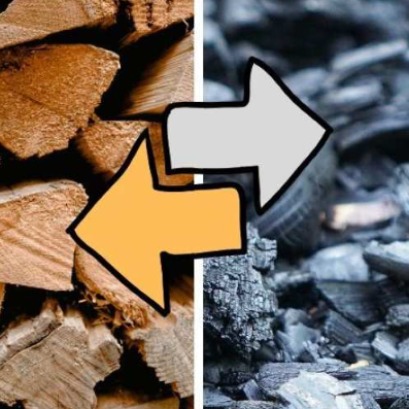 Canadian researchers make biochar from wood waste that rivals steel in strength
Researchers at the University of Toronto have developed monolithic biochar from wood that can reach an axial hardness of up to 2.25 GPa, similar to mild steel.