Los árboles sagrados de África se mueren y nadie sabe por qué
El baobab, el mítico árbol que Saint-Exupéry hizo famoso en «El Principito», es sagrado para muchos africanos.
El baobab, el mítico árbol que Saint-Exupéry hizo famoso en «El Principito», es sagrado para muchos africanos. Bajo sus ramas no se debe maldecir y solo aquellos considerados sabios pueden recoger sus frutos y hojas. Llamado comúnmente «árbol mágico», «de la vida» e, incluso, «de la rata muerta», por la forma de sus frutos, resulta fascinante por su gigantesco tamaño y su extrema longevidad. Algunos ejemplares pueden llegar a superar los 30 metros de altura, contener hasta 500 metros cúbicos de madera y enormes centros huecos, y vivir 2.000 años. Sin embargo, algo fatal les está ocurriendo: desde 2005, los ejemplares más grandes y longevos mueren de forma misteriosa. Los científicos no conocen los motivos y están desconcertados.

IT MAY INTEREST YOU
 Experts cant believe it, but this tree is the oldest in the world and continues to bear fruit: it is 4,000 years old.
Nature keeps secrets that defy the passage of time, and one of the most surprising examples is a tree that, approximately 4,000 years old, continues to bear fruit today. This specimen has become a symbol of resistance and longevity, capable of surviving climate changes, landscape transformations and human activity itself.
 The forest of the oldest shadows: the story of the petrified trees
One of the natural treasures of Río Negro turns 23 years old under the protection law that allows its conservation. Where it is and how it was formed. Río Negro celebrates 23 years of conservation in the petrified forest as a Protected Natural Area (ANP). It is a space of 625 hectares that protects an exceptional site of fossil trunks that date back more than 60 million years.
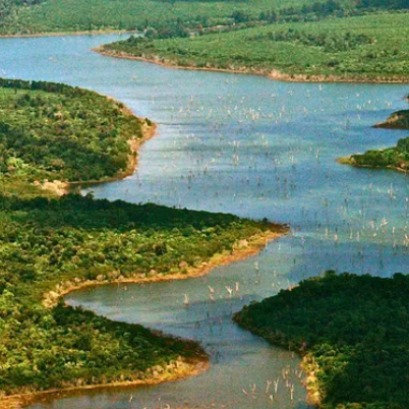 The second largest wetland in South America is located in Argentina: what is it?
Argentina has national parks that place it in a unique position within South America, competing with 300 others. Which is the largest? South America is home to more than 300 national parks, but many go unnoticed. There are extensive wetlands that have been the subject of major ecological restoration projects, to coastal mountains with deep indigenous heritage. Today we tell you the case of one located in Argentina.