How two ancient agricultural techniques are restoring health to European soils
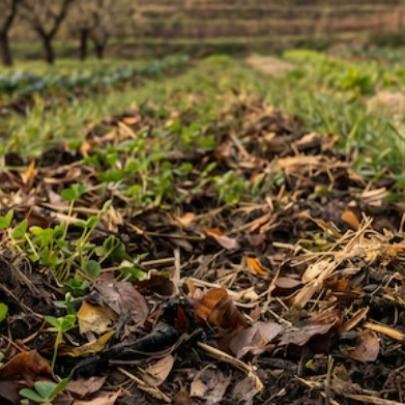
A review of 45 scientific studies documented up to 70% increases in moisture retention, a 53% reduction in erosion, and a 29% growth in microbial biomass.

A review of 45 scientific studies documented up to 70% increases in moisture retention, a 53% reduction in erosion, and a 29% growth in microbial biomass.
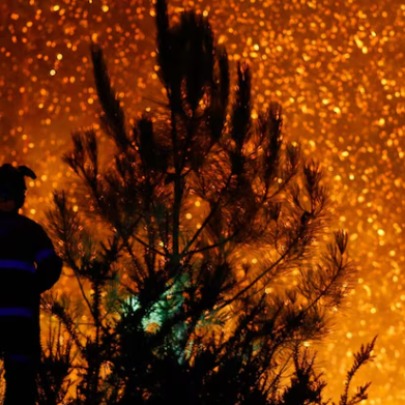
After the hundreds of thousands of hectares burned by the fires, it is time to get an idea of how long it will take for the landscape to return to its previous state With their eyes still focused on the evolution of the fires that affect the provinces of Ávila, Madrid, Toledo and Castellón, many are already looking to the future and trying to recover all the plant mass that has been burned.
The so-called Great Green Wall of China is one of the largest environmental projects on the planet. However, a recent study reveals an unexpected consequence: massive reforestation has altered water circulation within the country, reducing water availability in many regions.
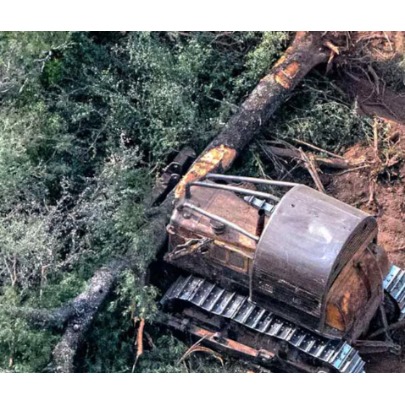
Brazilian scientists developed a method capable of identifying the chemical fingerprint of wood from the Amazon rainforest to reveal the place of origin, a tool that could help the Federal Police detect illegally extracted shipments and reinforce the fight against deforestation, released the state-run Research Support Foundation of the State of Sao Paulo (FAPESP, Portuguese acronym).
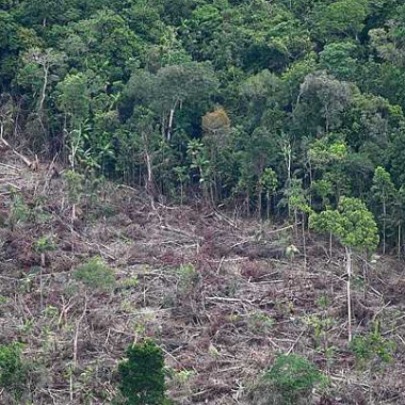
Each clearing leaves much more than an empty landscape; essential functions to regulate the climate, store water, protect biodiversity and sustain production and daily life are also lost.
The wood processing industry in Latin America is preparing the details for the celebration of the International Wood Week (SIM 2026) and the sixth edition of Lignum Latin America, an event that this year commemorates a decade of history since its origins as Lignum Brasil, organized by the Malinosvki Group.


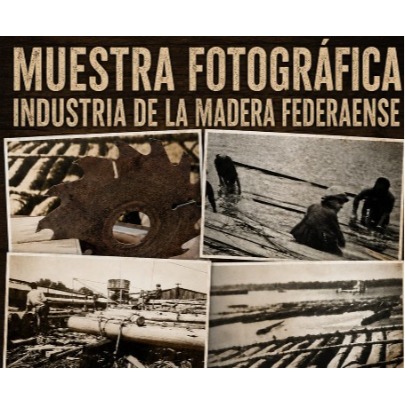
As part of the commemoration of the Wood Industry Workers Day, which will be celebrated next Sunday, August 2, the José María Dalorso Settlement Museum of Federación will pay tribute to those who were protagonists of one of the most important productive activities in the history of the city. A historical photographic exhibition, integrated into the museums permanent exhibition, which will allow residents and visitors to travel through different moments in the development of the logging industry and remember the efforts of generations of workers who marked the identity of the old Federation.
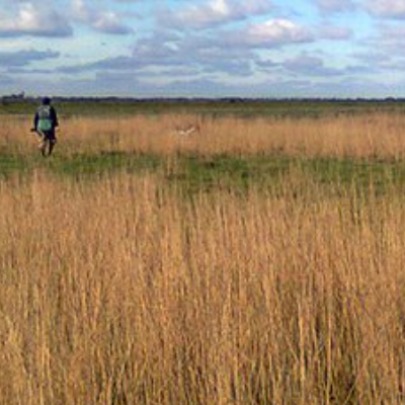
A recent technical report, prepared by a team from the Faculty of Agronomy of the University of Buenos Aires, in conjunction with Fundación Vida Silvestre Argentina, highlights the strategic role of grasslands in Argentina, highlighting their contribution to both ecosystem services and productive activities. These ecosystems fulfill key environmental functions - such as water regulation or soil conservation - and also support food production and a significant part of the countrys economy.
In a new edition of the traditional awards with which the specialized publication Clarín Rural annually recognizes innovation, know-how and leadership in the Argentine countryside, the economist Claudia Peirano was awarded the Clarín Rural Testimony in the Forestry Agroindustry category.
This is what you can find on VETAS, the website for the wood and furniture industry:
Sign in with Google in one click. It is free.
Create your free account with Google, in one click: