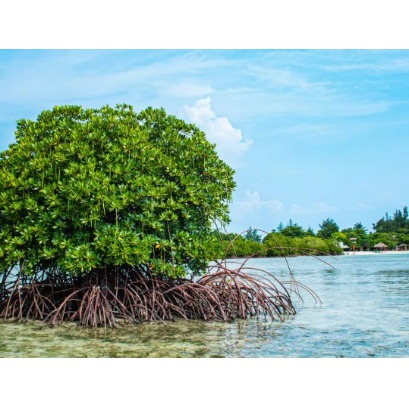
It is an ecosystem that grows between land and salt and protects the coasts of Latin America while filtering the salt and supporting marine life. The Latin American region holds one of the greatest natural wealth on the planet. Its not just biodiversity, its a living system that expands in unique ways, with record-breaking trees and species that only exist in this corner of the world.
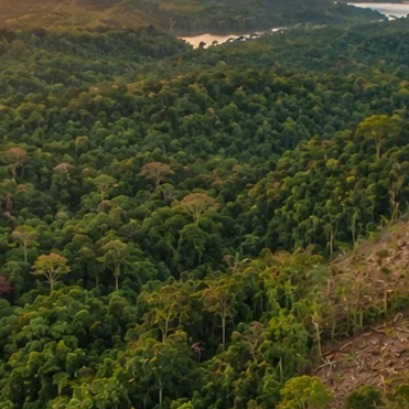
A scientific report has set off alarms in the field of botany globally. Honduras forests, vital for biodiversity and climate balance, could face complete disappearance in less than 20 years. The botanical community is reacting with concern to the projections. These forests, rich in species and essential for carbon capture, are in a critical situation. The research highlights the urgency of implementing effective conservation strategies to reverse this trend.
Forest fires in Andean-Patagonic forests, in addition to producing transformations in vegetation and fauna, also reach rivers and streams, where the quality of water and the functioning of aquatic ecosystems can be altered. Understanding how these bodies of water respond after fire is key to evaluating the impacts of these events and designing management strategies that contribute to the conservation of biodiversity and ecosystem services associated with water resources.
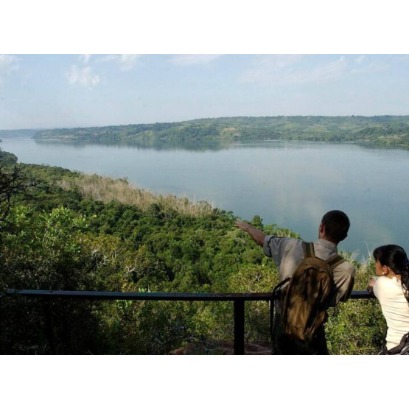
The global debate on climate change and environmental conservation will move to the heart of the Atlantic Forest. From April 19 to 23, 2027, the Iguazú Events and Convention Center will be the epicenter of the XI World Congress of Park Rangers, a strategic meeting that is being held for the first time in Argentine territory.
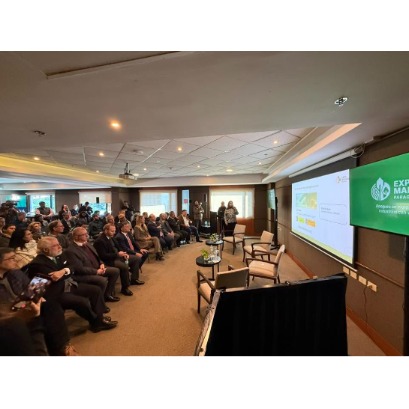
With a growing international presence and a strategy aimed at consolidating Paraguay as one of the new forestry poles of the Southern Cone, the Expo Madera Paraguay 2026 was officially presented, the main annual meeting of the countrys forestry industry, which will take place in September at the Luque Olympic Park.
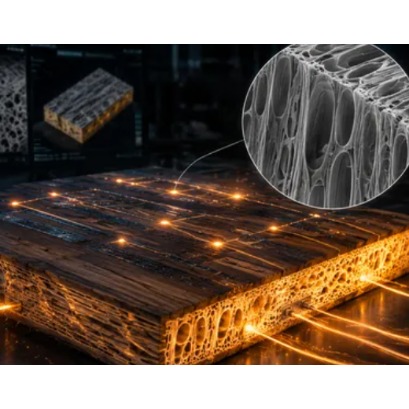
Chinese researchers developed a solar wood capable of storing heat and releasing it without light, with an efficiency greater than 91%. A group of researchers in China developed an innovative solar wood capable of capturing energy from the sun, storing it in the form of heat and releasing it later even when there is no longer sunlight. The advance seeks to solve one of the main challenges of renewable energy: the intermittency of solar generation and the dependence on traditional batteries to store energy.
The ecosystem of national wood design and production accelerates its progress. After a federal call that mobilized applicants from various parts of the country, the Argentine Federation of the Wood and Related Industries (FAIMA) and the Argentine Furniture Institute (IMA) made official the list of companies, workshops and studios selected to star in the 2026 edition of the Argentine Furniture Laboratory. Over the next few months, this strategic conglomerate of actors will work collaboratively on the conceptualization, development and materialization of new pieces, commercial lines and corporate and residential equipment systems.
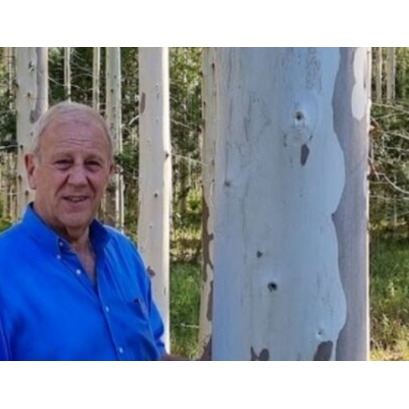
The debate on the forestry monoculture model in Corrientes has added a new environmental, technical and political chapter. On May 27, 2026, the International Tribunal for the Rights of Nature issued a final verdict in which it classified the forestry activity of exotic species in the province of Corrientes as an ecocide. From the perspective of this civil organization, the large extensions of planted trees threaten biodiversity and regional sustainability, under the premise that "pine and eucalyptus monocultures are not forests."
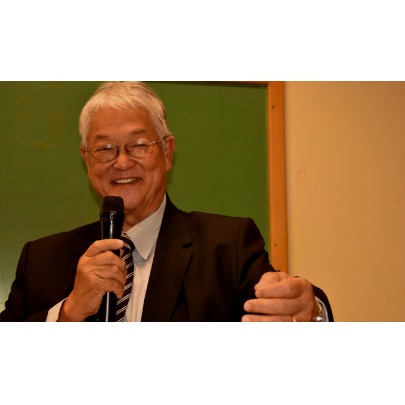
The Argentine forestry sector faces a historical contradiction: it has unique biological advantages on the planet, but is tied by the lack of industrial investment, informality in commercial and labor information, and legal uncertainty. This was the central axis of the presentation by agronomist Daniel Maradei, director of the consulting firm Maradei y Asoc., during the hybrid seminar organized by the Agriculture and Food Commission of the Argentine Center of Engineers (CAI) in Buenos Aires, which had the institutional support of the Professional Council of Agronomic Engineering (CPIA) and the participation of engineer Luis María Mestres, secretary of Forestry-industrial Development.