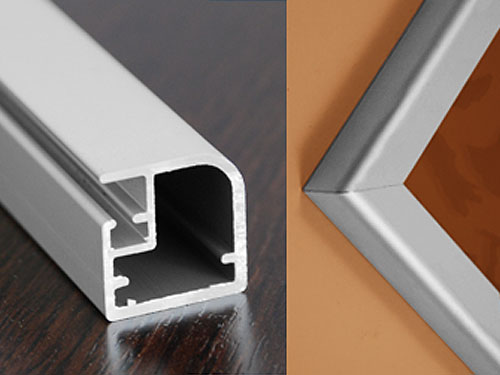

Profiles and hardware as a system: lighting and ergonomics
F.D.M. combines aluminum profiles, accessories and LED integration for kitchens and wardrobes, focused on repeatable installation, durability and user experience.
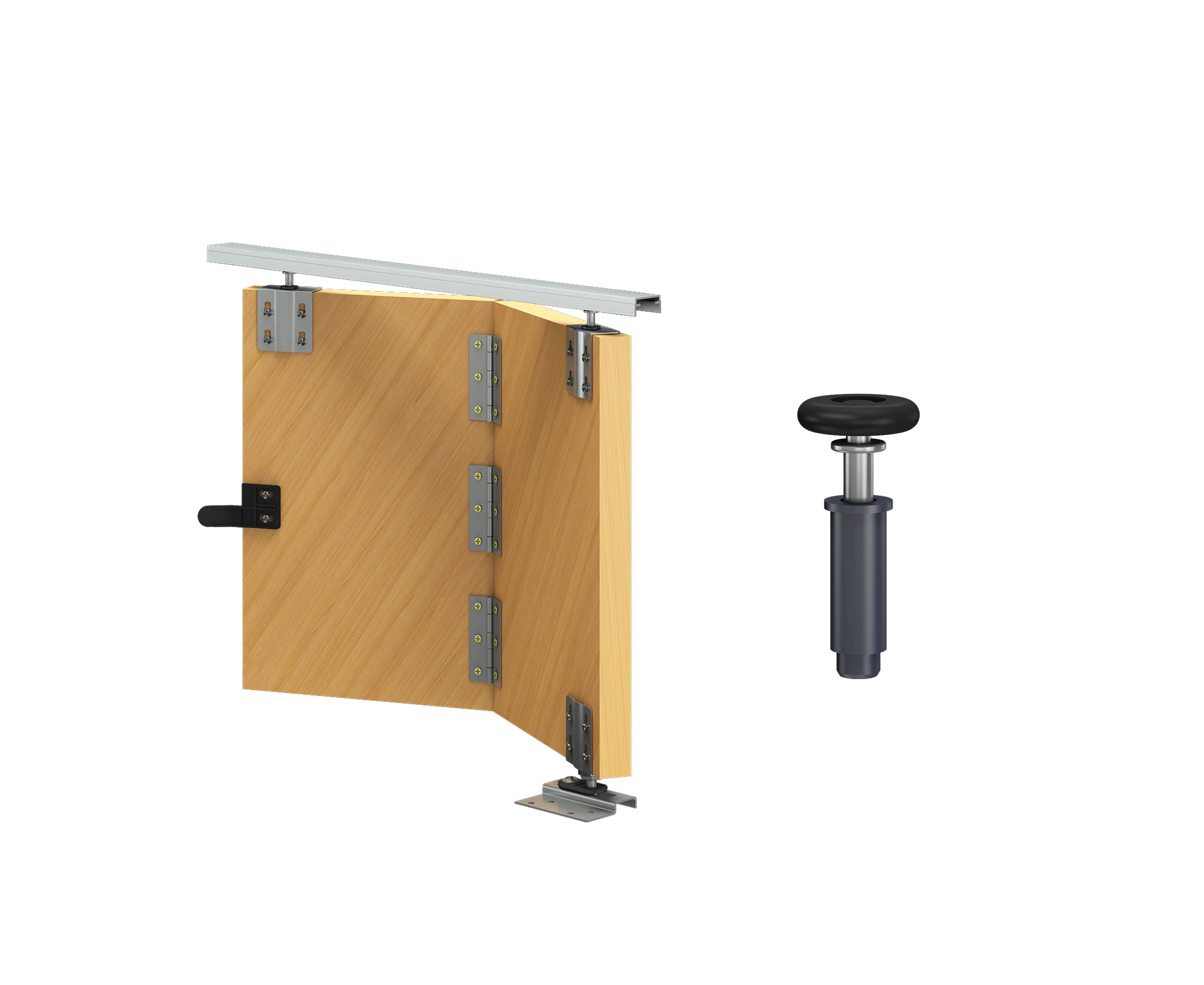
In furniture manufacturing, details are no longer accessories. In a modern kitchen or a high-rotation wardrobe, user experience is often decided by elements that are barely visible: a profile that works as a handle without protruding, a channel that organizes cables, a diffuser that removes LED “hot spots,” a bracket that keeps glass and panels aligned, or an opening mechanism that enables handle-less fronts. In that layer of applied design, competitiveness is increasingly defined by shorter installation time, stronger quality perception and durability under real-life tolerances. In Argentina, **F.D.M. S.R.L. (F.D.M.)** built an industrial profile connected to **non-ferrous injection**, **mold design and manufacturing**, and the **production of hardware and aluminum profiles**. In the furniture market, its public positioning centers on aluminum profiles for kitchens, wardrobes and lighting applications, plus handles, pulls and accessories aimed at treating the cabinet as a set of functions rather than a collection of unrelated parts. ## 1) A “profile” is not just an edge anymore: it is the user interface For years, the handle was explicit: a pull applied on the door front. Current design trends, however, favor clean surfaces and integrated grips along the edge or under the countertop. This is where an **aluminum profile-handle** becomes relevant: it adds stiffness, defines a visual line, and acts as the opening interface. From an engineering perspective, this shift requires attention to: - **Grip ergonomics**: radius, lip geometry and depth determine whether opening feels natural. - **Impact and scratch resistance**: aluminum with finishing treatments such as anodizing typically performs well under repeated cycles. - **Assembly tolerances**: long continuous profiles amplify misalignment; small deviations become visible. A well-designed profile can also replace multiple components—handle, trims and end caps—simplifying procurement and reducing installation steps. ## 2) Integrated lighting: bringing LEDs into furniture without breaking the design LED lighting moved from “premium feature” to expectation, especially in kitchens and closets. But good lighting is not just sticking a strip. It requires solving three industrial issues: 1) **Housing and protection** of the LED strip so it survives installation and cleaning. 2) **Diffusion** through a lens/diffuser to achieve a uniform line of light. 3) **Thermal behavior**: LEDs still dissipate heat; aluminum helps spread it and can improve service life in higher-output designs. This is where LED profiles and their complementary accessories (diffusers, end caps, side pieces) matter. The production advantage is modularity: installers cut, fix, cable and deliver consistent results—less artisanal improvisation, more repeatability. ## 3) Systems and accessories: furniture as everyday mechanics Modern furniture is defined not only by its front but by its mechanics: how it opens, closes, supports load and is adjusted. Public descriptions of F.D.M.’s ecosystem reference concepts such as: - **Opening systems** (Lift, Push) and assisting elements (gas pistons) that enable handle-less doors and fronts. - **Kitchen and wardrobe profiles** that organize sliding-door fronts and mixed-material assemblies. - **Brackets and separators** that allow glass + panel compositions while preserving stability. The industrial takeaway is straightforward: when hardware is designed as a system, on-site “trial-and-error” decreases and installation becomes more predictable—lower call-backs, higher perceived quality. ## 4) Extrusion and precision: why aluminum quality matters Aluminum profiles often look simple, but their geometry is not. A single profile can include internal LED channels, stiffening chambers, fixing grooves, diffuser seats and visible surfaces where every mark is noticeable. From a process viewpoint, the chain includes: - **Profile design**: defines function and aesthetics, but also compatibility with accessories. - **Extrusion and cutting**: straightness and surface finish directly affect assembly. - **Finishing treatments**: anodizing or coating protects and stabilizes appearance. - **Complementary parts**: end caps, diffusers, brackets and connectors. Profiles plus matched accessories reduce variability: installers do not “invent” an end solution; they use parts designed to close the system cleanly. ## 5) Typical applications: kitchens, closets, glass assemblies and handle-less fronts In kitchens, profile-handles and integrated lighting solve two demands at once: clean aesthetics and real usability. In wardrobes, profiles support sliding systems and illuminated modules. In furniture with glass, brackets and separators make mixed-material designs possible. Maintenance is a critical point: the right profile and diffuser choices can make cleaning easier and allow LED replacement without dismantling the whole cabinet—especially relevant for commercial interiors and intensive-use homes. ## 6) Trends: fewer loose parts, more repeatable modules Near-term furniture trends point to: - **Integrated fronts** (no visible pulls). - **Lighting as part of design**, not an add-on. - **Faster installation** through kits and modular components. - **Material combinations** (wood + aluminum + glass) enabled by smarter connection solutions. In that context, suppliers like F.D.M. create specific value: converting design decisions (a line, a light, an edge) into **industrializable components** that manufacturers can repeat with less rework. ## Editorial close Hardware is no longer “what you add at the end.” In contemporary furniture, profiles, lighting integration and opening systems are part of the product’s technical core. When those components are specified as a system—with matching accessories and an installation logic—the outcome is measurable: cabinets feel more precise, install faster and age better. That is the difference between a good drawing and a good piece of furniture in daily use.