
Industrial timber construction reshapes housing and sustainability in 2026
Industrial timber construction is gaining global momentum as a fast, efficient and low-carbon solution for the future of housing and sustainable building.
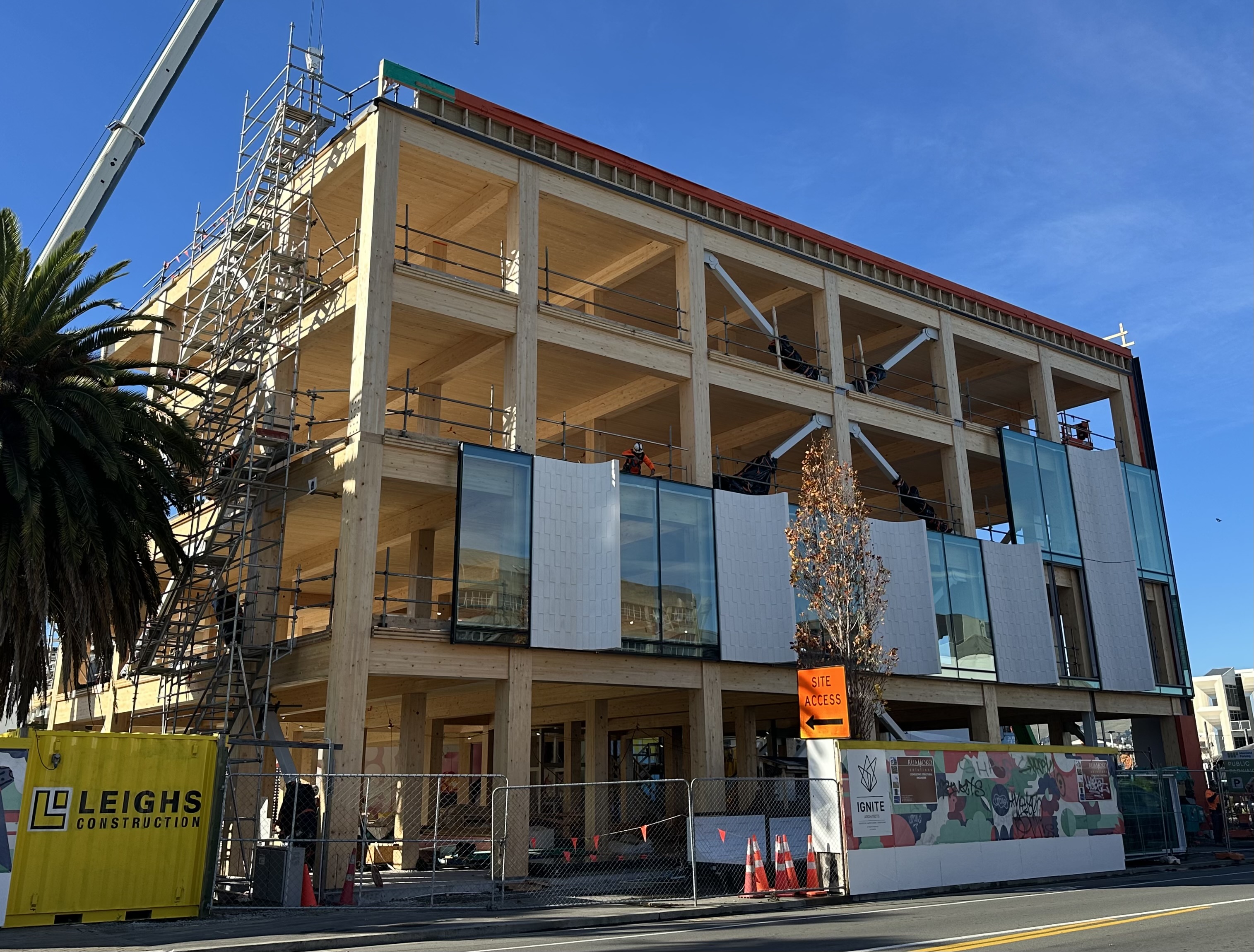
Industrial timber construction is reaching a turning point in 2026, positioning itself as one of the most relevant solutions to global challenges related to housing, sustainability and productivity in the construction sector. Once considered an alternative system, it is now a mature technology capable of competing with traditional materials such as concrete and steel. The rise of industrial timber construction is driven by a combination of technological, environmental and economic factors. Engineered wood systems such as cross-laminated timber (CLT) enable structural components to be manufactured in controlled factory environments and rapidly assembled on site. This significantly reduces construction times, with homes completed in just two to three months compared to eight months or more using conventional methods. From a technical perspective, engineered wood offers competitive structural performance, with an excellent strength-to-weight ratio and predictable fire behavior through controlled charring. In addition, wood acts as a renewable material that stores carbon, making it a key contributor to decarbonizing the construction sector. Despite its advantages, timber remains underrepresented in industrial construction. In major markets such as the United States and Canada, its share in industrial buildings remains below 1% and 4%, respectively, highlighting a significant growth opportunity for the global wood industry. This gap creates strategic opportunities for regions with strong forest resources, where industrial development and raw material availability can drive regional economies, generate employment and support higher value-added exports. At the same time, digital transformation in forestry is accelerating the shift. Technologies such as remote sensing, artificial intelligence and advanced monitoring systems are improving forest management, enhancing traceability and ensuring sustainable supply chains. The impact on the industry is substantial. Industrial timber construction is reshaping processes while enabling new business models based on prefabrication, circular economy principles and integrated value chains. The use of recycled wood and forest residues further strengthens its sustainability profile. Looking ahead, industrial timber construction is expected to expand in multi-family housing, mid- and high-rise buildings and sustainable urban developments. Hybrid systems combining timber with other materials, along with bio-based innovations, will continue to evolve the sector. Timber is no longer just a traditional material but a technological platform capable of transforming construction. Its ability to combine sustainability, efficiency and design makes it a cornerstone of future architecture.