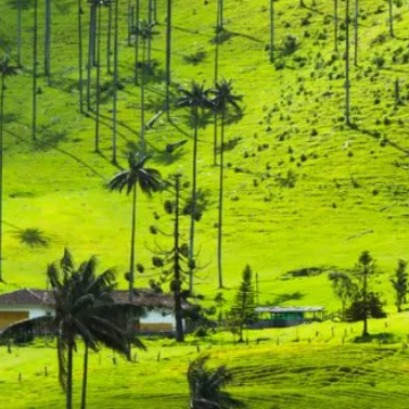
The tallest palm tree in the world is in South America: it is the height of a 20-story building
The worlds tallest palm tree stands deep in South America, a giant that challenges the limits of plant life Deep in South America, between the fog and the mountains, hides a giant tree that few know about. Majestic and silent, challenging the world on what plant life can achieve.
This giant is not just any tree: it is the tallest palm tree in the world, a true natural record that reminds us of the greatness hidden in the most remote corners of our earth. We tell you where in South America it is located. The tallest palm tree in the world is in South America: it is the height of a 20-story building. According to Guinness Record, the name of this wonder is the Quindío wax palm (Ceroxylon quindiuense), and it is located in the Cocora Valley, in Colombia. This palm is not just a tree: it is a symbol of resistance, biodiversity and cultural heritage. Its height has been recorded between 60 and 68 meters, almost like a 20-story building, making it the tallest palm tree in the world. As it is the tallest palm tree in the world• This tree can live for more than a century, resisting climate changes, strong winds and intense rains, demonstrating that greatness is not measured only in meters, but in time and resistance.• Its straight trunk and elegant, covered in a natural wax that protects it from pests and fungi, giving it an almost supernatural appearance, as if it had been sculpted by nature itself.• The wax palm also has a crucial ecological role. Its flowers and fruits feed emblematic species of the region, such as the wax parrot and the Andean condor, making it a vital axis of South Americas biodiversity.• Its cultural and symbolic importance cannot be underestimated. It is the national tree of Colombia, an icon that inspires respect and pride, and a reminder that nature still holds giants that teach us to look up and value what surrounds us.
IT MAY INTEREST YOU
 The discovery of methane-producing bacteria in trees rethinks the ecological role of forests
Pioneering study shows trees surprising internal microbial diversity and potential influence on global climate, driving novel strategies for agricultural and forestry management
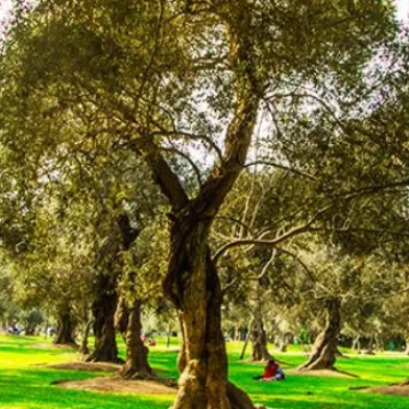 The city in South America that breathes thanks to a thousand olive trees planted in the 17th century
In the heart of South America there is a city that, among the noise and concrete, still breathes thanks to an olive forest
 The DNA of forests: they discover what makes a tree resist drought
An international team, with the participation of INTA and Conicet, discovered that genetics can be decisive for trees to better resist droughts