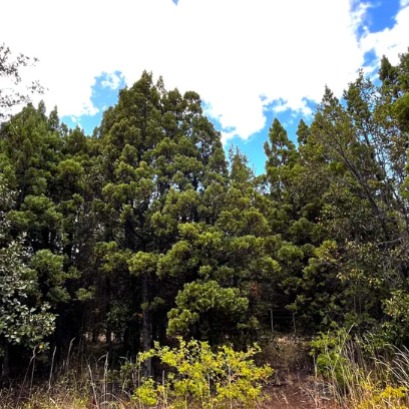
The silent, but vital work of dead wood in the forests of Patagonia
Dead wood, far from being waste, is vital in Patagonian forests. It favors regeneration, fertilizes soil and refuge fauna, according to Lanín Park. Your key role after fires
Far from being a simple waste, dead wood plays a fundamental and active role in the health and regeneration of Andean-Patagonic forests, as recently stood out from Lanín National Park. Fallen branches, stumps and trunks, both standing and demolished, are essential components for the natural functioning of these ecosystems. In forests, dead wood favors regeneration because when decomposing collaborates with soil fertility and improves water retention, they explained from the intention of the Lanín National Park. This natural process creates the optimal conditions so that new plants can grow, facilitating the life cycle of the life of the life of the life of the life of the life of the life Forest. In addition to its contribution to the ground, dead wood becomes a valuable refuge for a diversity of species. Since the role of that dead wood in the recovery of the forest is very important, since it will contribute nutrients to the burned soil and allow life to slowly return. Biodiversity, volcanoes, plains, mountains and lakes, connected by circuits and trails, including the emblematic Andean Footprint.
IT MAY INTEREST YOU
 The forest of the oldest shadows: the story of the petrified trees
One of the natural treasures of Río Negro turns 23 years old under the protection law that allows its conservation. Where it is and how it was formed. Río Negro celebrates 23 years of conservation in the petrified forest as a Protected Natural Area (ANP). It is a space of 625 hectares that protects an exceptional site of fossil trunks that date back more than 60 million years.
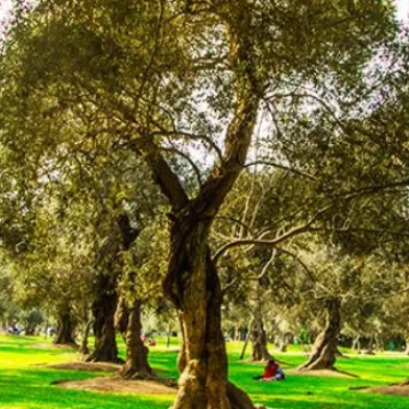 The city in South America that breathes thanks to a thousand olive trees planted in the 17th century
In the heart of South America there is a city that, among the noise and concrete, still breathes thanks to an olive forest
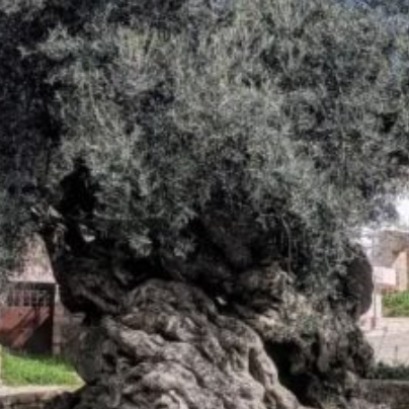 Experts cant believe it, but this tree is the oldest in the world and continues to bear fruit: it is 4,000 years old.
Nature keeps secrets that defy the passage of time, and one of the most surprising examples is a tree that, approximately 4,000 years old, continues to bear fruit today. This specimen has become a symbol of resistance and longevity, capable of surviving climate changes, landscape transformations and human activity itself.