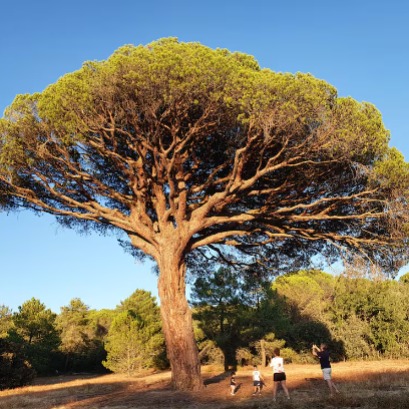
The only animal in the world that plant millions of trees every year and is vital for the conservation of nature
They play a crucial role in the conservation of forest ecosystems Nature is full of wonders and surprising processes that often go unnoticed. One of these phenomena is the ability of a small animal to plant millions of trees every year, playing a crucial role in the conservation of forest ecosystems.
The squirrels, those small mammals that we commonly see in parks and forests, have a much greater impact on the environment than we could imagine. During the fall, the squirrels are dedicated to collecting and storing nuts and seeds for winter. This behavior, known as Cacheo, implies burying these foods in various places to make sure you have enough provisions during the cold months. However, not all seeds and buried nuts are recovered by squirrels. Many of them are forgotten and, over time, germinate and become new trees. This involuntary plantation process is essential for forest regeneration and the expansion of green areas. The impact of squirrels on forest ecosystems is significant. When inadvertently planting thousands of trees, these creatures help maintain the diversity and vitality of forests. The new trees provide habitats for a variety of animal species and contribute to soil stability, preventing erosion. In addition, trees play a crucial role in the regulation of the local climate. They absorb carbon dioxide and release oxygen, improving air quality. They also help maintain soil moisture and regulate the water cycle, which is essential for the health of forest ecosystems. Tree plantation by squirrels not only benefits forests, but also has a positive impact on biodiversity. The new trees provide refuge and food for a wide range of species, from insects to birds and mammals. This increase in biodiversity strengthens ecosystems, making them more resilient against environmental changes and natural disasters. In addition, trees planted by squirrels can help connect forest fragments, creating ecological corridors that allow species to move freely and expand their territories. These runners are essential for the survival of many species, especially those that require large areas of habitat to prosper.
IT MAY INTEREST YOU
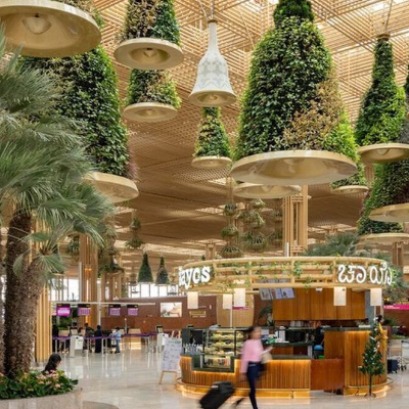 More wood | Air terminals as well-being spaces with design and natural atmosphere
In a world in which mental health, comprehensive well-being and connection with nature are increasingly urgent, wood appears as an increasingly chosen material to transform not only how we live, but also how we feel and move.
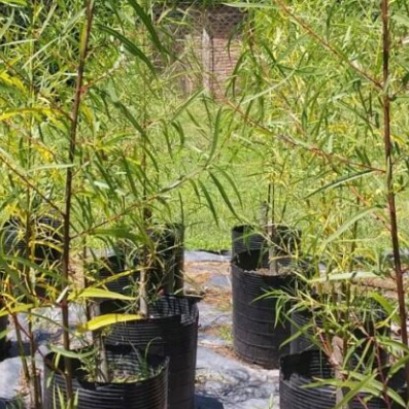 INTA Delta begins propagation of seven Creole willow clones for ecological restoration in Paraná
As a result of the rescue, domestication and registration work carried out by Teresa Cerrillo, a leading researcher in Salix Genetic Improvement, within the framework of the National Genetic and Forest Resources Programs of INTA, the multiplication and propagation of seven clones of Creole willow (Salix humboldtiana) began recently registered in the National Seed Institute (INASE) by INTA Delta del Paraná.
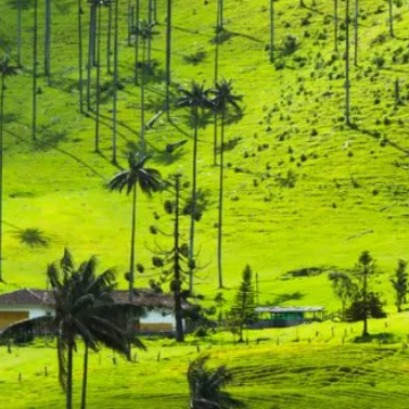 The tallest palm tree in the world is in South America: it is the height of a 20-story building
The worlds tallest palm tree stands deep in South America, a giant that challenges the limits of plant life Deep in South America, between the fog and the mountains, hides a giant tree that few know about. Majestic and silent, challenging the world on what plant life can achieve.