Build between branches: a sample of contemporary architecture of houses in the trees
Despite their capricious appearance, houses in the trees offer a unique platform for structural innovations and design explorations.
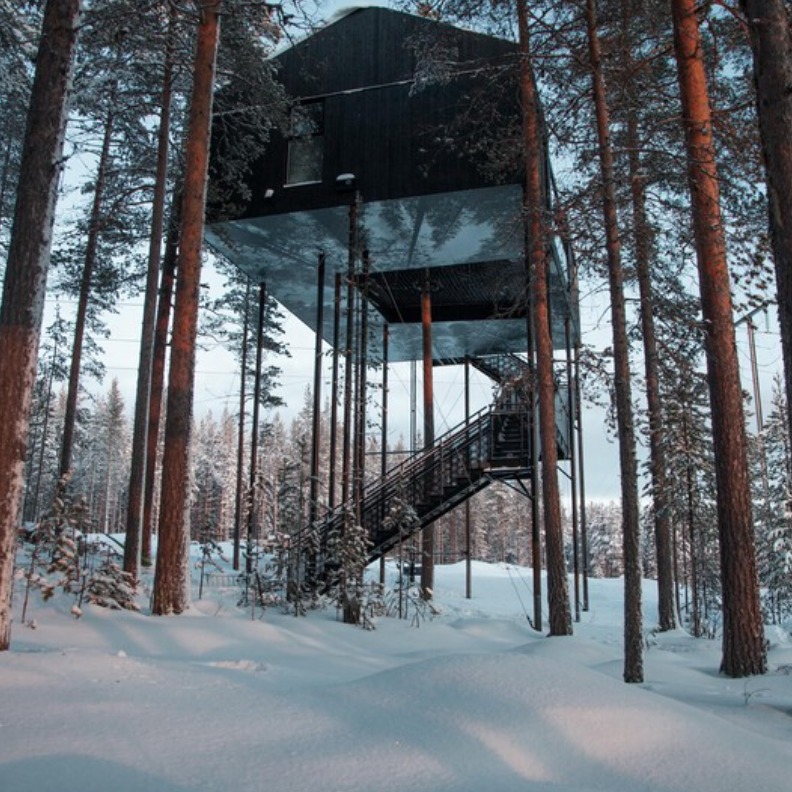
In fact, houses in traditional trees depend on the trunks of the trees for structural support, but, to relieve the load supported by the tree, contemporary projects often introduce complementary systems such as piles seeking to maintain their image while offering additional support. One of the main advantages of raising them in this way is the reduction of the environmental footprint. Houses on trees can be designed to leave the soil of the intact forest, preserving small -scale ecosystems. By releasing the ground below, they minimize native flora and fauna interruptions, allowing nature to prosper without being disturbed. Similarly, many architecture professionals use local topography to create fluid connections, incorporating ramps, stairs or bridges that are integrated with the landscape. These solutions not only improve accessibility, but also enrich the general experience creating an architectural walk that extends between the house in the tree and its surroundings. This sensitivity to the environment is reflected not only in structural design, but also in the careful selection of materials. The use of natural materials such as wood, also helps the structure merge with its environment. Some designers have gone further using alternative materials such as mirror panels to reflect the surrounding forest and completely hide the presence of the house in the tree, demonstrating that the choice of material can contribute to creating a project that feels like an extension of its environment instead of an imposition on it. This collection highlights notable examples from Sweden, Denmark, Indonesia and France, showing its various approaches.
IT MAY INTEREST YOU
 Native forest | In Misiones, controls are tightened on routes for illegal transport of native wood, logging of forests without permits and fraudulent digital guides
Informality in forestry activity in Misiones was once again evident, the culture of operating illegally is a historical problem, and the Ministry of Ecology and Renewable Natural Resources carries out the corresponding control and inspection operations in the regulation of productive activity and sustainable management for the use of native forests.
 Missions | New illegal felling in the Piñalito Provincial Park in San Pedro reveals the silent expansion of deforestation in protected areas
The advance of deforestation on protected areas was once again evident this week in the Piñalito Sur Provincial Park, in San Pedro, where the Ministry of Ecology and Renewable Natural Resources confirmed a new case of selective illegal logging. The event occurs in a context of growing concern about the fragility of the environmental control system in rural and border areas, where the scarcity of resources, personnel and logistics limits the capacity of surveillance against criminal organizations organized to steal native woods and market them on the black market in connivance with sawmill owners.
 Canadian researchers make biochar from wood waste that rivals steel in strength
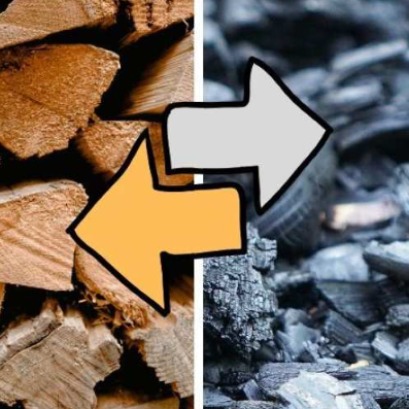
Researchers at the University of Toronto have developed monolithic biochar from wood that can reach an axial hardness of up to 2.25 GPa, similar to mild steel.