Build between branches: a sample of contemporary architecture of houses in the trees
Despite their capricious appearance, houses in the trees offer a unique platform for structural innovations and design explorations.
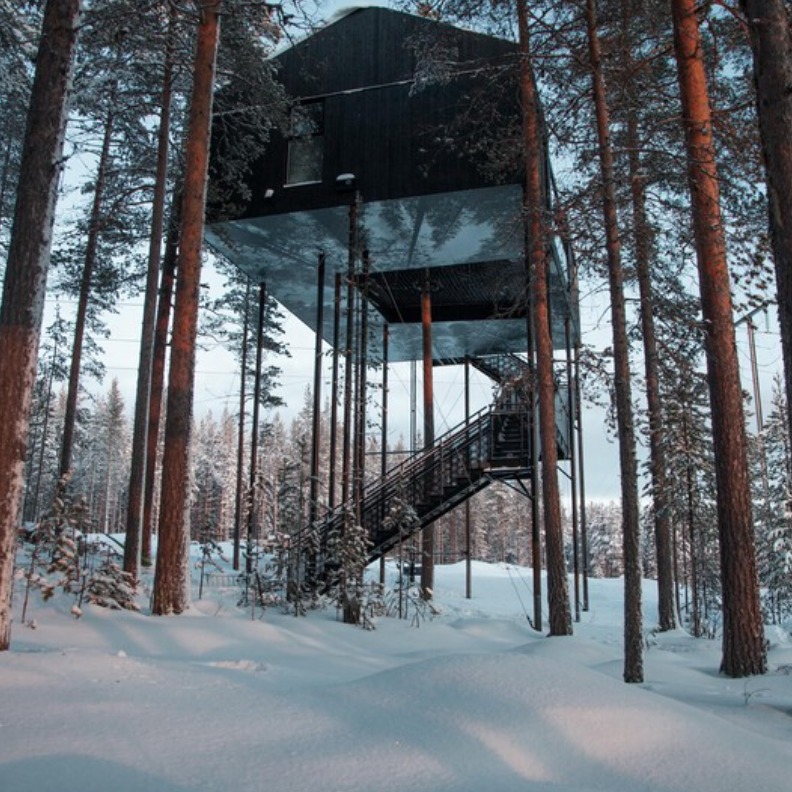
In fact, houses in traditional trees depend on the trunks of the trees for structural support, but, to relieve the load supported by the tree, contemporary projects often introduce complementary systems such as piles seeking to maintain their image while offering additional support. One of the main advantages of raising them in this way is the reduction of the environmental footprint. Houses on trees can be designed to leave the soil of the intact forest, preserving small -scale ecosystems. By releasing the ground below, they minimize native flora and fauna interruptions, allowing nature to prosper without being disturbed. Similarly, many architecture professionals use local topography to create fluid connections, incorporating ramps, stairs or bridges that are integrated with the landscape. These solutions not only improve accessibility, but also enrich the general experience creating an architectural walk that extends between the house in the tree and its surroundings. This sensitivity to the environment is reflected not only in structural design, but also in the careful selection of materials. The use of natural materials such as wood, also helps the structure merge with its environment. Some designers have gone further using alternative materials such as mirror panels to reflect the surrounding forest and completely hide the presence of the house in the tree, demonstrating that the choice of material can contribute to creating a project that feels like an extension of its environment instead of an imposition on it. This collection highlights notable examples from Sweden, Denmark, Indonesia and France, showing its various approaches.
IT MAY INTEREST YOU
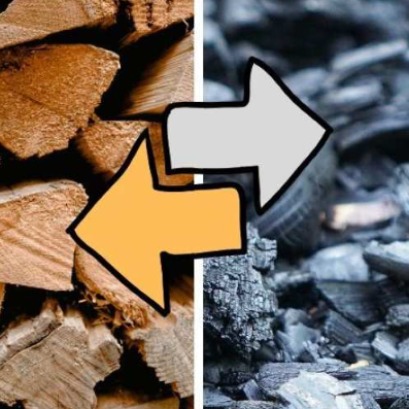 Canadian researchers make biochar from wood waste that rivals steel in strength
Researchers at the University of Toronto have developed monolithic biochar from wood that can reach an axial hardness of up to 2.25 GPa, similar to mild steel.
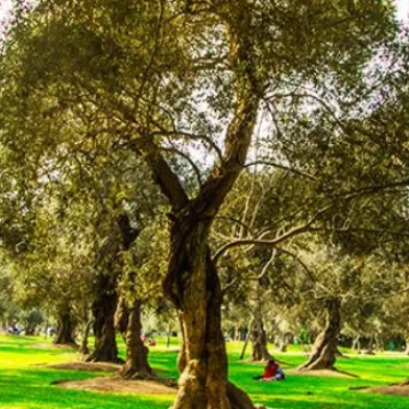 The city in South America that breathes thanks to a thousand olive trees planted in the 17th century
In the heart of South America there is a city that, among the noise and concrete, still breathes thanks to an olive forest
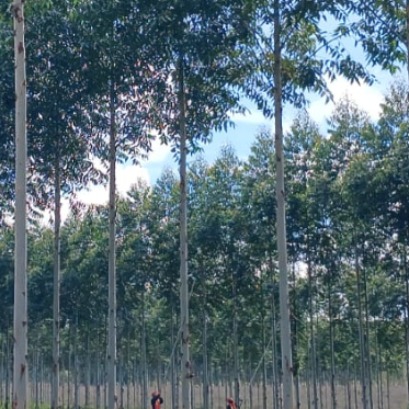 Paraguay | The plantations became instruments of territorial development and the generation of decent employment, INFONA highlights.
Plantings in different phases, control of ants and weeds, pruning and thinning, mechanized harvest, technology applied to the field and complete integration of the production cycle were part of the CREA Forestal proposal in its Technical Update Conference – JAT Forestal 2025. The event took place on Friday, November 14, at Estancia Ñemity, located in San Juan Nepomuceno, Caazapá, where agricultural producers, technicians, contractors, students and companies in the sector met to observe the forestry business of the future in action.