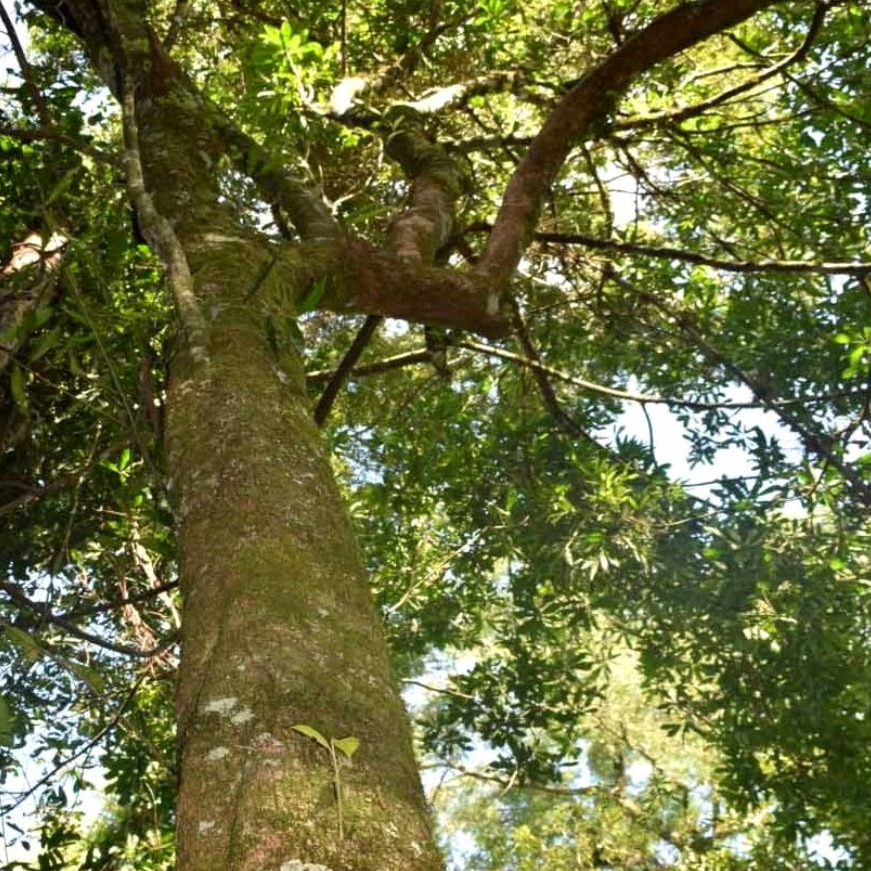
I met the Aguaí tree: one of the native timber species of the missionary jungle
As a result of the collaboration between the Faculty of Forest Sciences of the UNAM and the United States Forest Service (USFS) through the ?Update and Edition of the Madera Madera Identification Manual of the Missionary Jungle?, they developed a species manual of species Missions natives (2024) to publicize its characteristics, uses and environmental services.
Within the framework of World Environmental Education Day, every January 26, from Argentinaforestal.com we will present in various publications to the different species of native trees of the missionary jungle with a technical data sheet obtained in the Wood Anatomy Laboratory , Dendrology and Dendrocronology (Lamdyd) of the Faculty of Forest Sciences, based in Eldorado, Misiones. We started, knowing the Aguí! Did you know that ...? The fruit of Aguaí is edible and has great value for local fauna. In addition, its wood is very sought after for fine carpentry projects due to its unique texture and coloration. Knowing the technical water tree: Aguaí (Chloroluma Gonocarpa) ? Natural distribution: Aguaí grows spontaneously in the provinces of Chaco, Corrientes, Entre Ríos, Formosa, Jujuy, Misiones, Salta, Santa Fe and Tucumán ? Botanical description: Up to 25 meters. Diameter: Reach 70 cm at chest height in its adult stage. with dichotomous branching. Slips: alternate, simple, 5.8 to 20.2 cm long and 1.3 to 7 cm wide. Oblongs or lanceolate, whole edge, dark green up and lighter below, of coriacea cartaceous consistency. Flores: greenish, small yellow (2.5 to 5 mm), grouped into glomeruli from 1 to 6.fruits: yellow berries When they mature, in an ellipsoid or globose way, they contain 1 to 5 edible seeds with crescent format. Maderacolor characteristics: Albura and Duramen Indistintes, with yellowish hue. Texture: fine and moderately heavy. Humidity, although it is permeable for impregnation treatments ? Anatomical characteristics Axial-sight: diffuse or aggregates. Width and 300-500 µm height Exudes a sticky white latex. Main timber uses carpentry: moldings, tool ends, small furniture. Combustible: Excellent for firewood and coal.
IT MAY INTEREST YOU
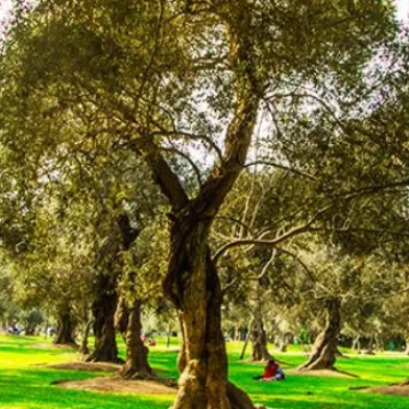 The city in South America that breathes thanks to a thousand olive trees planted in the 17th century
In the heart of South America there is a city that, among the noise and concrete, still breathes thanks to an olive forest
 Native forest | In Misiones, controls are tightened on routes for illegal transport of native wood, logging of forests without permits and fraudulent digital guides
Informality in forestry activity in Misiones was once again evident, the culture of operating illegally is a historical problem, and the Ministry of Ecology and Renewable Natural Resources carries out the corresponding control and inspection operations in the regulation of productive activity and sustainable management for the use of native forests.
 Missions | New illegal felling in the Piñalito Provincial Park in San Pedro reveals the silent expansion of deforestation in protected areas
The advance of deforestation on protected areas was once again evident this week in the Piñalito Sur Provincial Park, in San Pedro, where the Ministry of Ecology and Renewable Natural Resources confirmed a new case of selective illegal logging. The event occurs in a context of growing concern about the fragility of the environmental control system in rural and border areas, where the scarcity of resources, personnel and logistics limits the capacity of surveillance against criminal organizations organized to steal native woods and market them on the black market in connivance with sawmill owners.