Corrientes | Se habilito en Ituzaingo y Monte Caseros la Tecnicatura Foresto-industrial de la Facultad de Ciencias Agrarias de la UNNE
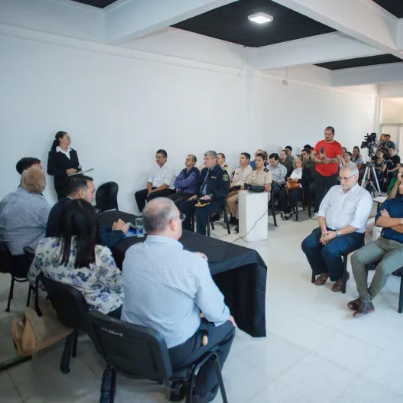
La Tecnicatura Foresto Industrial de la Facultad de Ciencias Agrarias de la Universidad Nacional del Nordeste (UNNE), ahora se habilito en Ituzaingo y Monte Caseros. Las clases comenzaron en ambas ciudades de manera presencial y virtual bajo la modalidad denominada aula espejo.
En un acto de apertura oficial en
Ituzaingo, liderado por el intendente Juan Pablo Valdes y en Monte Caseros, por
su par, Juan Carlos Alvarez, presentaron la Tecnicatura Foresto-industrial de
la Facultad de Ciencias Agrarias de la UNNE. Precisamente, la carrera se
habilito en esas ciudades, por un trabajo articulado entre los municipios y la
UNNE.
En representacion del ministerio de Produccion, el
secretario de Desarrollo Foresto Industrial Luis Mestres participo junto a los
intendentes para dar inicio de clases, que se dictara de manera presencial y
virtual bajo la modalidad «aula espejo».
La carrera otorga el
titulo universitario de Tecnico Universitario Foresto Industrial, con un
trayecto formativo con una duracion de tres anos, organizados en 19 asignaturas
obligatorias, articulada en 3 areas y tres 3 niveles.

IT MAY INTEREST YOU
 Missions | New illegal felling in the Piñalito Provincial Park in San Pedro reveals the silent expansion of deforestation in protected areas
The advance of deforestation on protected areas was once again evident this week in the Piñalito Sur Provincial Park, in San Pedro, where the Ministry of Ecology and Renewable Natural Resources confirmed a new case of selective illegal logging. The event occurs in a context of growing concern about the fragility of the environmental control system in rural and border areas, where the scarcity of resources, personnel and logistics limits the capacity of surveillance against criminal organizations organized to steal native woods and market them on the black market in connivance with sawmill owners.
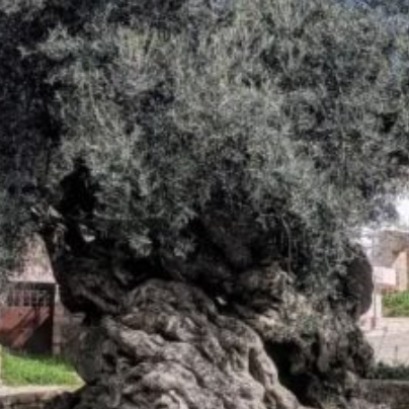 Experts cant believe it, but this tree is the oldest in the world and continues to bear fruit: it is 4,000 years old.
Nature keeps secrets that defy the passage of time, and one of the most surprising examples is a tree that, approximately 4,000 years old, continues to bear fruit today. This specimen has become a symbol of resistance and longevity, capable of surviving climate changes, landscape transformations and human activity itself.
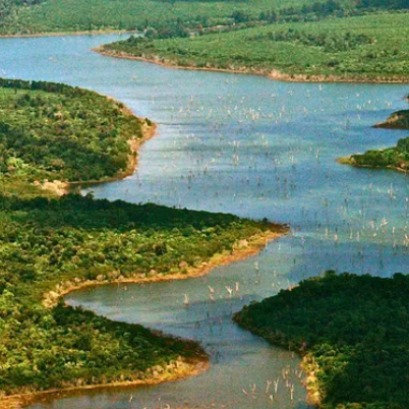 The second largest wetland in South America is located in Argentina: what is it?
Argentina has national parks that place it in a unique position within South America, competing with 300 others. Which is the largest? South America is home to more than 300 national parks, but many go unnoticed. There are extensive wetlands that have been the subject of major ecological restoration projects, to coastal mountains with deep indigenous heritage. Today we tell you the case of one located in Argentina.