Production for conservation | The Annual Meeting of the Protected Productive Landscape Network of the region will be held in Jujuy
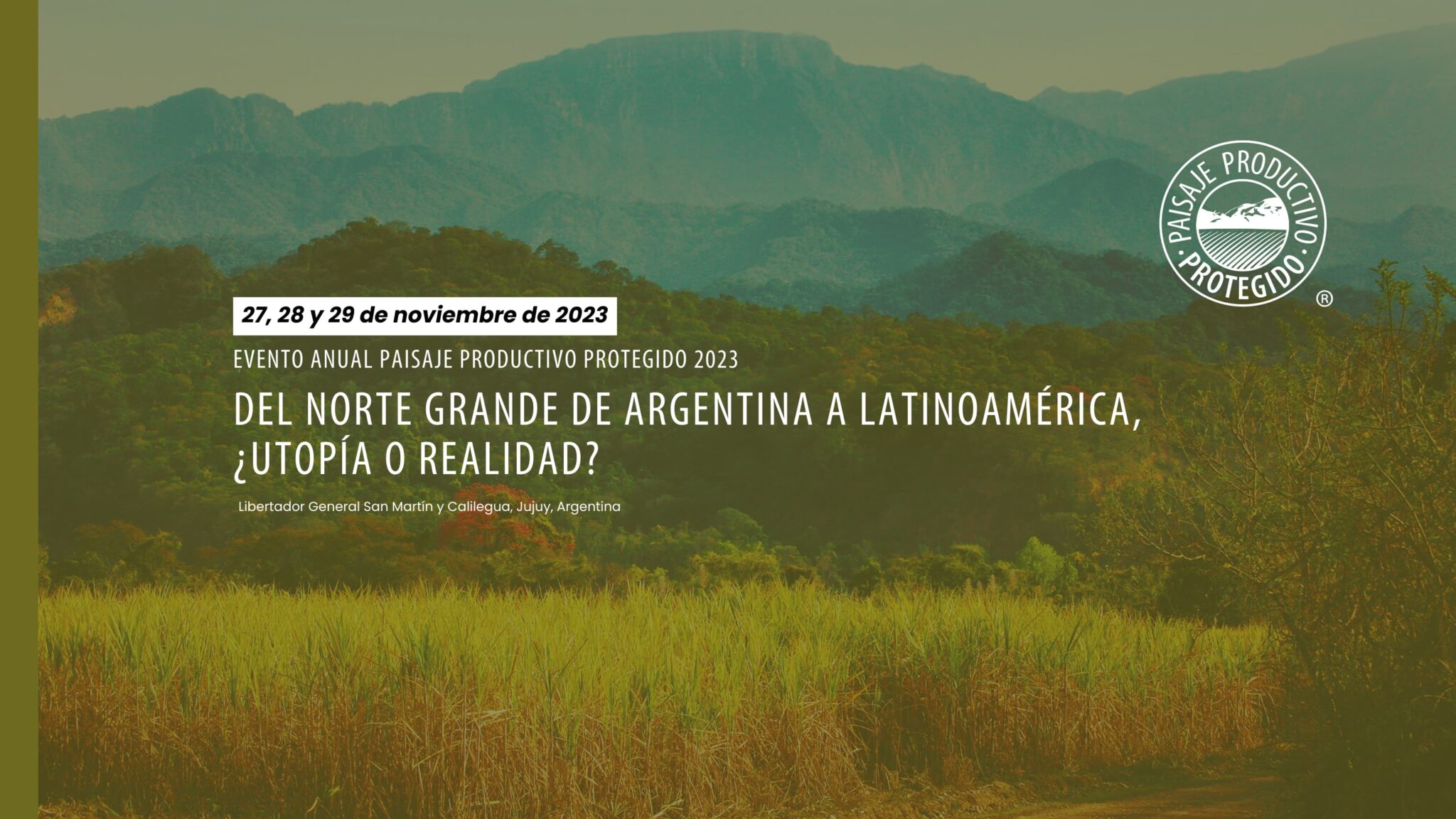
Organized by the ProYungas Foundation and the Ledesma company, the annual Red PPP meeting will take place between November 27 and 29 in Calilegua, Jujuy.
References from more than 35 companies, civil society organizations, environmental authorities, representatives of international cooperation, academics and technicians will meet to share good practices, achievements and continue promoting the growth of the Protected Productive Landscape Program (PPP) in the North Large from Argentina and neighboring countries.
The PPP, an initiative created by ProYungas in 2010, is a territory management model that seeks to coherently integrate the production and conservation of nature in environments of high environmental value. Today the program includes more than 30 companies from Argentina, Chile, Paraguay and Bolivia, with a total area of about 2.5 million hectares, of which more than 36% are natural areas.
The meeting is framed in the project "Protected Productive Landscape in the Great North of Argentina", executed by the ProYungas Foundation, together with the partner institutions FSC and Hábitat & Desarrollo, co-financed by the European Union.
Complete Event Program
Members of the PPP Network
Today the Program has a Network of companies and productive organizations that implement the PPP, partner organizations belonging to civil society and other institutions that support the implementation of the program, and strategic allies.
Companies and productive organizations: Ledesma, San Miguel, Citrusvil, Citromax, Arauco, Forestal Argentina, Bosques del Plata, Argenti Lemon, Vicente Trapani, Arcor, Romar, Suriyaco, Veracruz, Navar, Las Marías, Holcim, NOCE, Mistol Ancho, Agro Catamarca, Fortín Chacabuco, Quebracho Small Agricultural Producers Association (in Argentina); Arauco (in Chile); Neuland Cooperative, grouped ranchers from Estancia Santa Herminia, Estancia Doña Nidia, Estancia Tres Marías and Estancia 26 (in Paraguay) and; San Lorenzo (in Bolivia).
Partner organizations: ProYungas Foundation, The Nature Conservancy, Hábitat y Desarrollo Foundation (in Argentina); Moisés Bertoni Foundation, Wildlife Conservation Society (in Paraguay) and; Foundation for the Conservation of the Chiquitano Forest, PROMETA (in Bolivia).
Strategic allies: FSC Argentina, Argentine Association of Direct Sowing Producers (AAPRESID), Chaco Networks, UICN, Institute of Regional Ecology (CONICET-UNT), Institute of Subtropical Biology (CONICET-UNaM), Center for Territorial Environmental and Social Studies ( FCA, UNJu), Atlantic Forest Research Center, ALLCOT; Bolivia: FUNDESNAP.

IT MAY INTEREST YOU
 Combilift Unveils the 2025 Christmas video “Twelve Days of Christmas” – with a Twist!
Monaghan, Ireland – November 2025
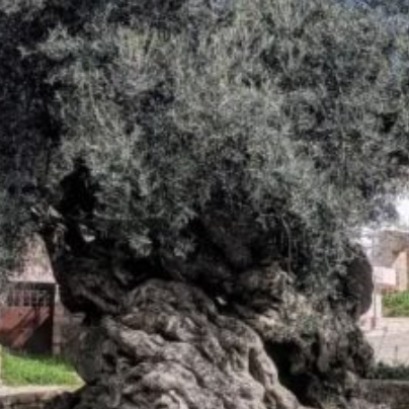 Experts cant believe it, but this tree is the oldest in the world and continues to bear fruit: it is 4,000 years old.
Nature keeps secrets that defy the passage of time, and one of the most surprising examples is a tree that, approximately 4,000 years old, continues to bear fruit today. This specimen has become a symbol of resistance and longevity, capable of surviving climate changes, landscape transformations and human activity itself.
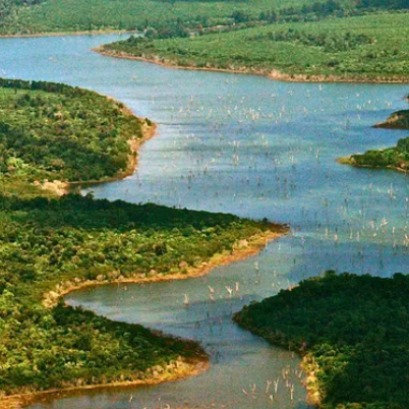 The second largest wetland in South America is located in Argentina: what is it?
Argentina has national parks that place it in a unique position within South America, competing with 300 others. Which is the largest? South America is home to more than 300 national parks, but many go unnoticed. There are extensive wetlands that have been the subject of major ecological restoration projects, to coastal mountains with deep indigenous heritage. Today we tell you the case of one located in Argentina.