MONTE SALE
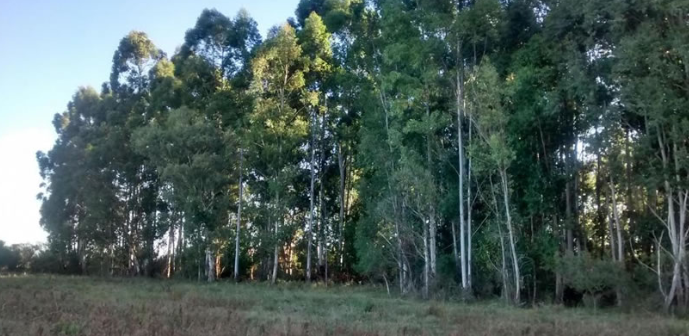
6 ha of EUCALIPTO GRANDIS STANDING FOREST
Our INTA Concordia Experimental Station announces the sale, through the Cooperating Association, of a total of 6.00 hectares (2 lots) of Eucalyptus grandis, from the original plantation, with an average age of 15 years, located in the Yuquerí Station, 12 km from the city of Concordia, with access to the property from a paved road and good consolidated access roads to the lots.
Bid closing period: August 8, 2023 at 11:00 a.m. at the INTA Concordia Station
Queries and contact Cooperadora by email: montero.mauricio@inta.gob.ar or +5493454930843
For visits to the lot: Mario Carmarán +5491168525464

IT MAY INTEREST YOU
 The forest of the oldest shadows: the story of the petrified trees
One of the natural treasures of Río Negro turns 23 years old under the protection law that allows its conservation. Where it is and how it was formed. Río Negro celebrates 23 years of conservation in the petrified forest as a Protected Natural Area (ANP). It is a space of 625 hectares that protects an exceptional site of fossil trunks that date back more than 60 million years.
 Experts cant believe it, but this tree is the oldest in the world and continues to bear fruit: it is 4,000 years old.
Nature keeps secrets that defy the passage of time, and one of the most surprising examples is a tree that, approximately 4,000 years old, continues to bear fruit today. This specimen has become a symbol of resistance and longevity, capable of surviving climate changes, landscape transformations and human activity itself.
 Missions | New illegal felling in the Piñalito Provincial Park in San Pedro reveals the silent expansion of deforestation in protected areas
The advance of deforestation on protected areas was once again evident this week in the Piñalito Sur Provincial Park, in San Pedro, where the Ministry of Ecology and Renewable Natural Resources confirmed a new case of selective illegal logging. The event occurs in a context of growing concern about the fragility of the environmental control system in rural and border areas, where the scarcity of resources, personnel and logistics limits the capacity of surveillance against criminal organizations organized to steal native woods and market them on the black market in connivance with sawmill owners.