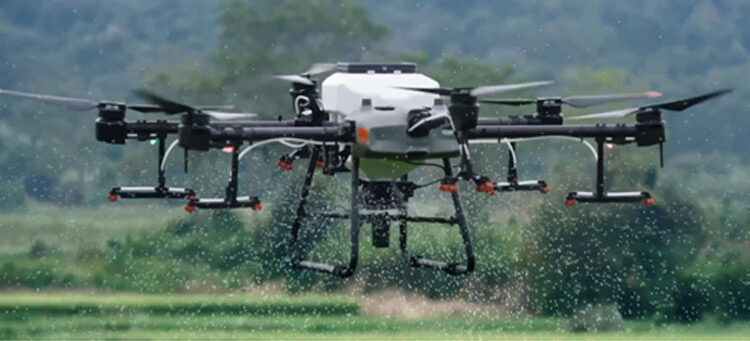
Drones | UAV technology applied to forestry
Reduces occupational risks and increases yields
This type of intervention with drones has the main objective of minimizing the risk of accidents due to falls at the level of workers with back packs, as well as reducing exposure to the use of phytosanitary products, etc. Given the results obtained in Forestal Argentina in the operational tests of the UAV technology, they concluded: "We are facing the future in reforestation."
UAVs, commonly known as drones, have the peculiarity of not having a pilot inside the aircraft, so it is directed by a person or external electronic system, which decides at any time the next step to follow. The pilot's skill, senses and expertise are replaced by highly accurate electronic sensors.

IT MAY INTEREST YOU
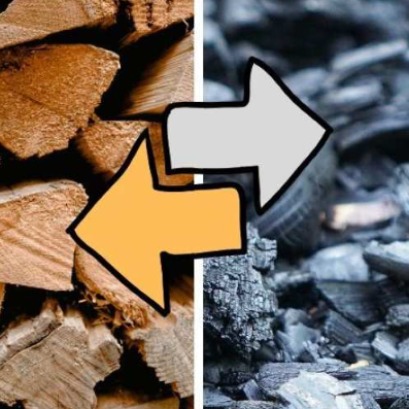 Canadian researchers make biochar from wood waste that rivals steel in strength
Researchers at the University of Toronto have developed monolithic biochar from wood that can reach an axial hardness of up to 2.25 GPa, similar to mild steel.
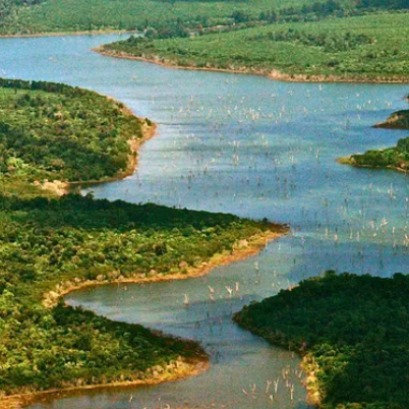 The second largest wetland in South America is located in Argentina: what is it?
Argentina has national parks that place it in a unique position within South America, competing with 300 others. Which is the largest? South America is home to more than 300 national parks, but many go unnoticed. There are extensive wetlands that have been the subject of major ecological restoration projects, to coastal mountains with deep indigenous heritage. Today we tell you the case of one located in Argentina.
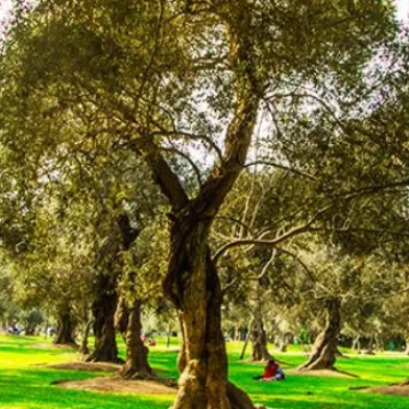 The city in South America that breathes thanks to a thousand olive trees planted in the 17th century
In the heart of South America there is a city that, among the noise and concrete, still breathes thanks to an olive forest