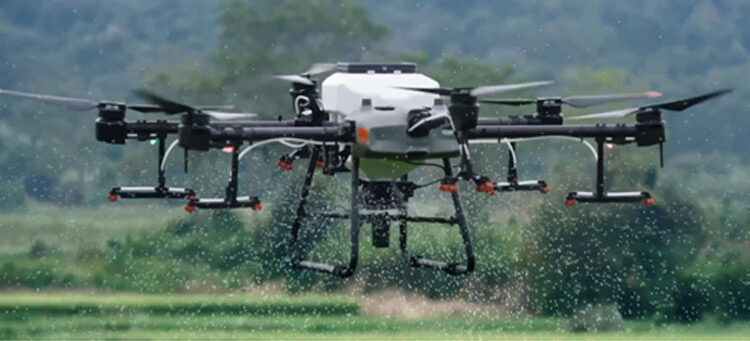
Drones | UAV technology applied to forestry
Reduces occupational risks and increases yields
This type of intervention with drones has the main objective of minimizing the risk of accidents due to falls at the level of workers with back packs, as well as reducing exposure to the use of phytosanitary products, etc. Given the results obtained in Forestal Argentina in the operational tests of the UAV technology, they concluded: "We are facing the future in reforestation."
UAVs, commonly known as drones, have the peculiarity of not having a pilot inside the aircraft, so it is directed by a person or external electronic system, which decides at any time the next step to follow. The pilot's skill, senses and expertise are replaced by highly accurate electronic sensors.

IT MAY INTEREST YOU
 The forest of the oldest shadows: the story of the petrified trees
One of the natural treasures of Río Negro turns 23 years old under the protection law that allows its conservation. Where it is and how it was formed. Río Negro celebrates 23 years of conservation in the petrified forest as a Protected Natural Area (ANP). It is a space of 625 hectares that protects an exceptional site of fossil trunks that date back more than 60 million years.
 Missions | New illegal felling in the Piñalito Provincial Park in San Pedro reveals the silent expansion of deforestation in protected areas
The advance of deforestation on protected areas was once again evident this week in the Piñalito Sur Provincial Park, in San Pedro, where the Ministry of Ecology and Renewable Natural Resources confirmed a new case of selective illegal logging. The event occurs in a context of growing concern about the fragility of the environmental control system in rural and border areas, where the scarcity of resources, personnel and logistics limits the capacity of surveillance against criminal organizations organized to steal native woods and market them on the black market in connivance with sawmill owners.
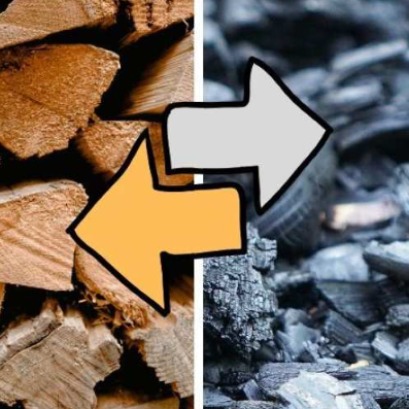 Canadian researchers make biochar from wood waste that rivals steel in strength
Researchers at the University of Toronto have developed monolithic biochar from wood that can reach an axial hardness of up to 2.25 GPa, similar to mild steel.