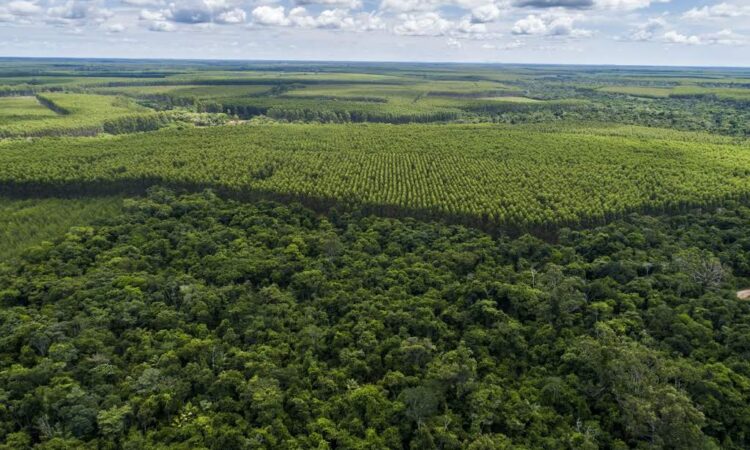
5th Brazilian Forestry Meeting on innovation and technologies in forestry of cultivated forests
Challenges for forestry production
The 5th Brazilian Forestry Meeting, organized by Malinovski and Embrapa Florestas, is the main stage for discussions on forestry of cultivated forests in Brazil, which will take place on August 7 and 8, 2023, at Ribeirão Shopping, in Ribeirão Preto, in Sao Paulo. It is organized by Malinovski and Embrapa Florestas.
The main axes are forestry production, digital forestry, cases of innovation and technology, and the direction of mechanization due to labor shortages.
In round tables, conferences and interactions with the public, specialists and opinion makers from the Brazilian forestry market will discuss the issues that will guide the trends of this segment in the coming years, promoting technical-scientific exchange between professionals and institutions that work in the sector. forest. area.

IT MAY INTEREST YOU
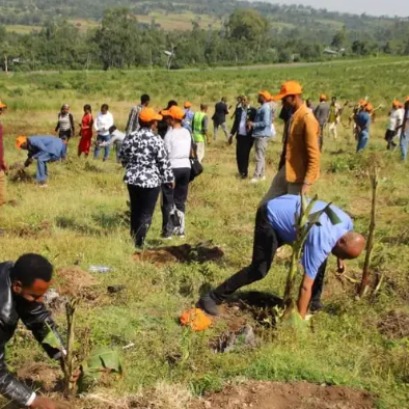 The country that planted 350 million trees in one day and caused great consequences
Discover the country that planted 350 million trees in one day and caused great consequences Climate change and deforestation have caused great ecological damage in many places. For this reason, a country planted 350 million trees in one day and thus obtained a world record, although it is estimated that in 2025, it will plant twice as many.
 The DNA of forests: they discover what makes a tree resist drought
An international team, with the participation of INTA and Conicet, discovered that genetics can be decisive for trees to better resist droughts
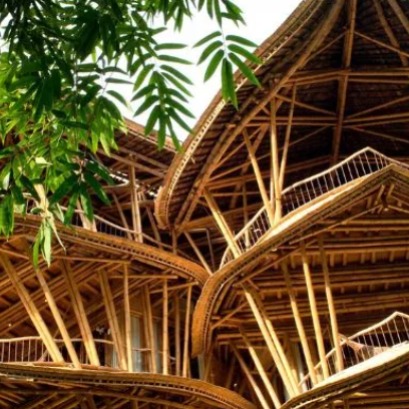 The South American country that changes construction thanks to an ancient, mega-resistant material: more than steel
This material that grows in South America creates the most resistant constructions and radically changes the world of architecture One particular building material has been used for millennia by various cultures in South America. This is due to its structural resistance that allows the creation of homes, bridges and shelters. Its archaeological presence shows that it was one of the most valued construction resources in seismic and humid areas.