INTERZUM AWARD
CANTISA’S GRID EFFECT EDGEBAND, INTERZUM AWARD'S WINNER
Cantisa is celebrating! The grid effect edgebanding is the first edgeband to receive an Interzum Award since this event has been held.
International products in all categories compete at the Interzum Awards, so this prize not only recognises originality in the design of edgeband, but it also shows recognition to Cantisa’s effort to give added value to edgebanding, considered so far a complement, by turning it into a more decorative element.
To be awarded with one of these prizes the product has to meet a number of very demanding requirements. The criteria are clear and challenging: high levels of innovation, original design, innovative materials and perfect functionality. The jury is made up of international experts in design and architecture. All this, has made the Interzum Awards one of the greatest recognition in the furniture industry.
AWARDS AND OPENING CEREMONY
Cantisa’s team was at the Awards Ceremony, held at the Theater am Tanzbrunnen in Cologne last Monday. There they collected the award given in the category of “High Product Quality” to the grid effect edgebanding. A recognition to their commitment to quality and innovation in their work.
This event marked the beginning of the 2019 edition of Interzum and has allowed us to know the trends and the future challenges in the design of furniture and interiors.
The winning edge-banding will be on display at the Interzum Fair Boulevard , in the passages between the halls. Come and meet the great winner!


IT MAY INTEREST YOU
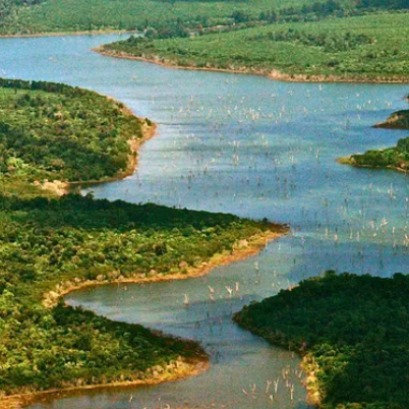 The second largest wetland in South America is located in Argentina: what is it?
Argentina has national parks that place it in a unique position within South America, competing with 300 others. Which is the largest? South America is home to more than 300 national parks, but many go unnoticed. There are extensive wetlands that have been the subject of major ecological restoration projects, to coastal mountains with deep indigenous heritage. Today we tell you the case of one located in Argentina.
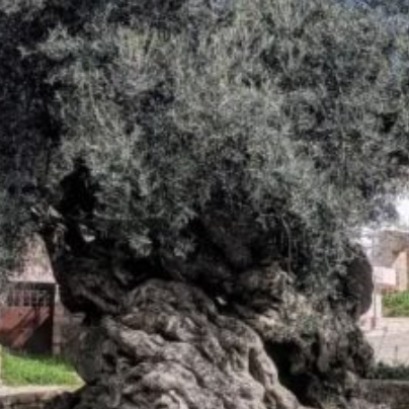 Experts cant believe it, but this tree is the oldest in the world and continues to bear fruit: it is 4,000 years old.
Nature keeps secrets that defy the passage of time, and one of the most surprising examples is a tree that, approximately 4,000 years old, continues to bear fruit today. This specimen has become a symbol of resistance and longevity, capable of surviving climate changes, landscape transformations and human activity itself.
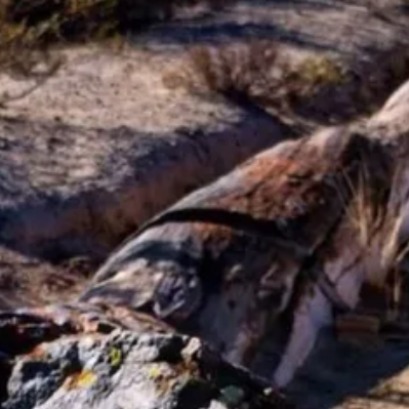 The forest of the oldest shadows: the story of the petrified trees
One of the natural treasures of Río Negro turns 23 years old under the protection law that allows its conservation. Where it is and how it was formed. Río Negro celebrates 23 years of conservation in the petrified forest as a Protected Natural Area (ANP). It is a space of 625 hectares that protects an exceptional site of fossil trunks that date back more than 60 million years.