Why are kitchen utensils made of wood?
Many of the kitchen utensils that we use in our day to day are made of wood. Today we are going to analyze the properties that make wood an optimal material for the manufacture of kitchen utensils.
First, wood is a material that does not conduct heat, therefore, it is possible to keep kitchen utensils (especially wooden ladles) exposed to heat without danger of burning.
The wood, in addition, is a material with great durability (as long as the maintenance is adequate) and have a great resistance, compared to its low weight. For this reason, it is used in wooden boards for cutting food or in wooden mallets for fillets.
Another advantage of wooden kitchen utensils is that wood is an inert material, that is, it does not react with other substances, which means that it does not contaminate food. In addition, wood is not attractive either for germs or bacteria, so the wood is much cleaner than other materials.
The wooden kitchen utensils are soft and delicate to avoid scratching the delicate surfaces of the pans and saucepans and are recommended especially for non-stick coatings or stainless steel. The use of a suitable material favors that the useful life of the kitchen tools is greater.
Finally, the wood and its great versatility give rise to endless designs, providing a special and unique to each kitchen. The different species of wood also provide their special touch, offering a wide range of color and characteristics to the wooden kitchen utensils.
We must not forget that wood is a natural, renewable, sustainable, reusable and recyclable material that fits perfectly in the circular economy and the use and management of this material favors the good condition of the mountains.

IT MAY INTEREST YOU
 Combilift Unveils the 2025 Christmas video “Twelve Days of Christmas” – with a Twist!
Monaghan, Ireland – November 2025
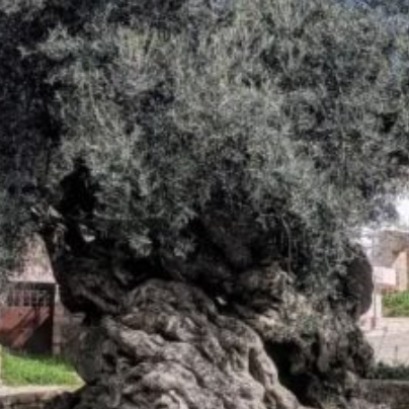 Experts cant believe it, but this tree is the oldest in the world and continues to bear fruit: it is 4,000 years old.
Nature keeps secrets that defy the passage of time, and one of the most surprising examples is a tree that, approximately 4,000 years old, continues to bear fruit today. This specimen has become a symbol of resistance and longevity, capable of surviving climate changes, landscape transformations and human activity itself.
 The second largest wetland in South America is located in Argentina: what is it?
Argentina has national parks that place it in a unique position within South America, competing with 300 others. Which is the largest? South America is home to more than 300 national parks, but many go unnoticed. There are extensive wetlands that have been the subject of major ecological restoration projects, to coastal mountains with deep indigenous heritage. Today we tell you the case of one located in Argentina.