Why wood is good for health
Wood is the only 100% natural material used in construction since the origin of time. Now several studies show how wood is good for health, living in an environment with wood has benefits that we could not imagine.
90% of our time is spent inside buildings and vehicles. However, many of today's buildings still create problems such as seasonal affective disorder (SAD), depression and lung diseases.
According to a survey conducted, 90% of the respondents answered that they wanted to live in a house that did not compromise their health and well-being and a third of these respondents said they would be willing to pay more money in order to live in a healthy house.
Living in a house beneficial to health implies numerous aspects to take into account regarding design and materials. At this point comes into play the wood, which has shown through the following tests the health benefits:
- According to an Austrian study, children who spent the day in classes in a building constructed of wood and in contact with wood, reduced 8,600 beats per day and per child. This study also showed that being in a wood-based environment helps significantly reduce stress levels.
- Office workers with wooden interiors have conveyed feelings of innovation, energy and comfort.
- A Japanese study found that exposure to wood panels significantly decreases blood pressure, while exposure to steel panels increases it.
- Another Japanese study found that wooden furniture helped increase interaction among residents.
- According to a survey, when a person is in an ecological building increases their cognitive capacity by 61%.
- This coginitive capacity increased to 101% when additional vents were introduced.
- Wood relaxes the human sympathetic nervous system (SNS). The SNS is responsible for stress responses and increases in blood pressure and heart rate.
- It has also been shown that wood products in a room improve indoor air quality due to the ability of wood to regulate humidity.

IT MAY INTEREST YOU
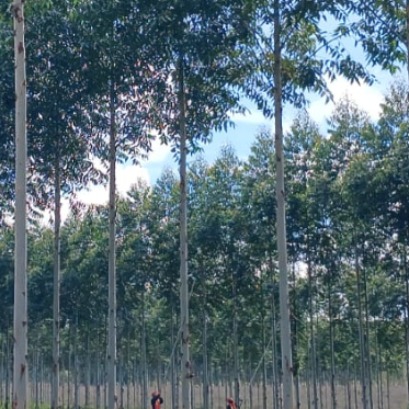 Paraguay | The plantations became instruments of territorial development and the generation of decent employment, INFONA highlights.
Plantings in different phases, control of ants and weeds, pruning and thinning, mechanized harvest, technology applied to the field and complete integration of the production cycle were part of the CREA Forestal proposal in its Technical Update Conference – JAT Forestal 2025. The event took place on Friday, November 14, at Estancia Ñemity, located in San Juan Nepomuceno, Caazapá, where agricultural producers, technicians, contractors, students and companies in the sector met to observe the forestry business of the future in action.
 The forest of the oldest shadows: the story of the petrified trees
One of the natural treasures of Río Negro turns 23 years old under the protection law that allows its conservation. Where it is and how it was formed. Río Negro celebrates 23 years of conservation in the petrified forest as a Protected Natural Area (ANP). It is a space of 625 hectares that protects an exceptional site of fossil trunks that date back more than 60 million years.
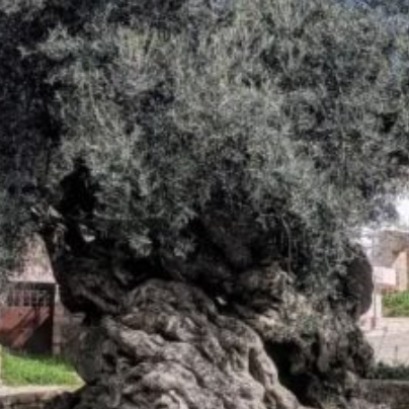 Experts cant believe it, but this tree is the oldest in the world and continues to bear fruit: it is 4,000 years old.
Nature keeps secrets that defy the passage of time, and one of the most surprising examples is a tree that, approximately 4,000 years old, continues to bear fruit today. This specimen has become a symbol of resistance and longevity, capable of surviving climate changes, landscape transformations and human activity itself.