Los árboles sagrados de África se mueren y nadie sabe por qué
El baobab, el mítico árbol que Saint-Exupéry hizo famoso en «El Principito», es sagrado para muchos africanos.
El baobab, el mítico árbol que Saint-Exupéry hizo famoso en «El Principito», es sagrado para muchos africanos. Bajo sus ramas no se debe maldecir y solo aquellos considerados sabios pueden recoger sus frutos y hojas. Llamado comúnmente «árbol mágico», «de la vida» e, incluso, «de la rata muerta», por la forma de sus frutos, resulta fascinante por su gigantesco tamaño y su extrema longevidad. Algunos ejemplares pueden llegar a superar los 30 metros de altura, contener hasta 500 metros cúbicos de madera y enormes centros huecos, y vivir 2.000 años. Sin embargo, algo fatal les está ocurriendo: desde 2005, los ejemplares más grandes y longevos mueren de forma misteriosa. Los científicos no conocen los motivos y están desconcertados.

IT MAY INTEREST YOU
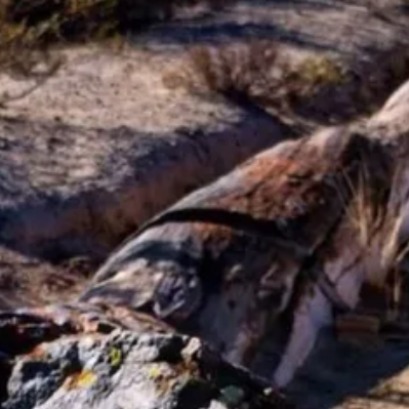 The forest of the oldest shadows: the story of the petrified trees
One of the natural treasures of Río Negro turns 23 years old under the protection law that allows its conservation. Where it is and how it was formed. Río Negro celebrates 23 years of conservation in the petrified forest as a Protected Natural Area (ANP). It is a space of 625 hectares that protects an exceptional site of fossil trunks that date back more than 60 million years.
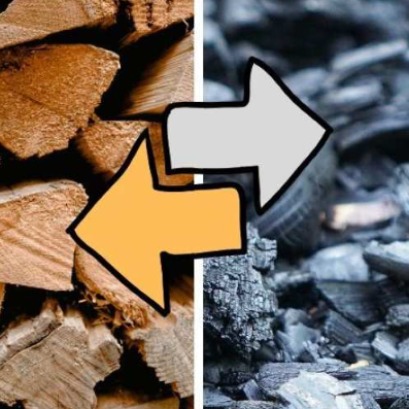 Canadian researchers make biochar from wood waste that rivals steel in strength
Researchers at the University of Toronto have developed monolithic biochar from wood that can reach an axial hardness of up to 2.25 GPa, similar to mild steel.
 Missions | New illegal felling in the Piñalito Provincial Park in San Pedro reveals the silent expansion of deforestation in protected areas
The advance of deforestation on protected areas was once again evident this week in the Piñalito Sur Provincial Park, in San Pedro, where the Ministry of Ecology and Renewable Natural Resources confirmed a new case of selective illegal logging. The event occurs in a context of growing concern about the fragility of the environmental control system in rural and border areas, where the scarcity of resources, personnel and logistics limits the capacity of surveillance against criminal organizations organized to steal native woods and market them on the black market in connivance with sawmill owners.