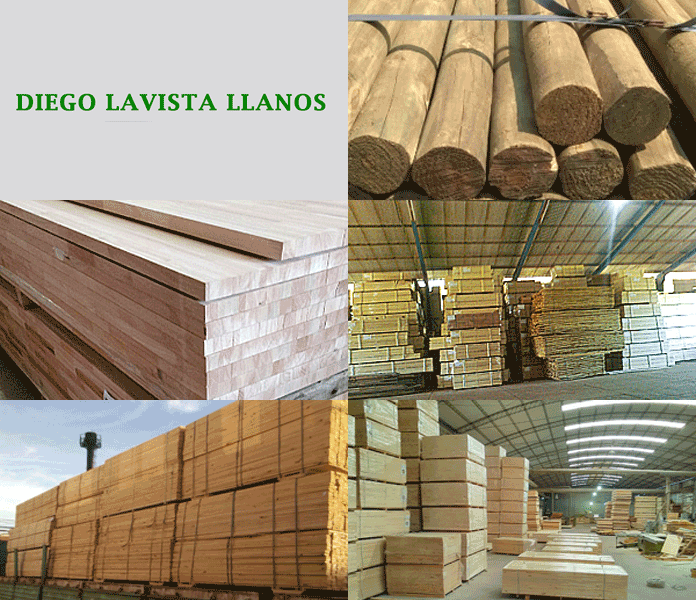
Las casas de madera revalorizan los bosques
El sector de la construcción trata de impulsar la silvicultura ante el aumento de las viviendas de este material, del que se importa el 90%
El siglo XIX fue el siglo del hierro, el XX el del hormigón, y el XXI será el de la madera”. Así lo pronostica en conferencias por todo el mundo el arquitecto holandés Alex de Rijke, y el sector de la construcción en Cataluña no quiere quedarse atrás. La demanda de edificios de madera crece año tras año, y no solo entre el mercado de la segunda residencia: la madera es uno de los materiales que más se tienen en cuenta en la promoción pública de vivienda. La razón es simple: la edificación es la responsable del 40% del gasto de energía en Europa, y la madera se presenta como un material mucho más adecuado que el hormigón para cumplir los objetivos de la directiva europea en materia de eficiencia energética.

IT MAY INTEREST YOU
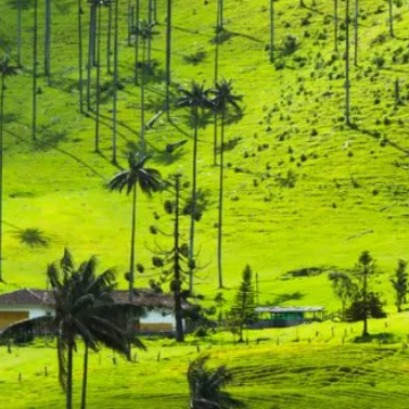 The tallest palm tree in the world is in South America: it is the height of a 20-story building
The worlds tallest palm tree stands deep in South America, a giant that challenges the limits of plant life Deep in South America, between the fog and the mountains, hides a giant tree that few know about. Majestic and silent, challenging the world on what plant life can achieve.
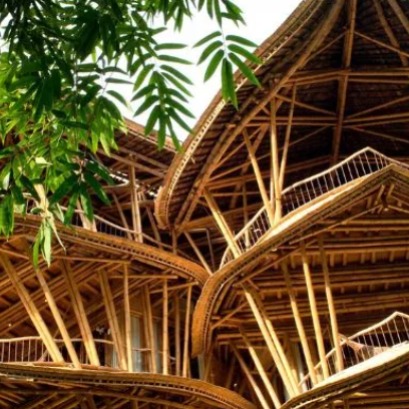 The South American country that changes construction thanks to an ancient, mega-resistant material: more than steel
This material that grows in South America creates the most resistant constructions and radically changes the world of architecture One particular building material has been used for millennia by various cultures in South America. This is due to its structural resistance that allows the creation of homes, bridges and shelters. Its archaeological presence shows that it was one of the most valued construction resources in seismic and humid areas.
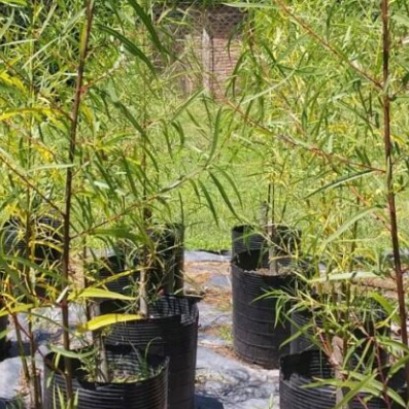 INTA Delta begins propagation of seven Creole willow clones for ecological restoration in Paraná
As a result of the rescue, domestication and registration work carried out by Teresa Cerrillo, a leading researcher in Salix Genetic Improvement, within the framework of the National Genetic and Forest Resources Programs of INTA, the multiplication and propagation of seven clones of Creole willow (Salix humboldtiana) began recently registered in the National Seed Institute (INASE) by INTA Delta del Paraná.