Los cirujanos del corcho
3.000 jornaleros luchan por producir cada verano el 30% del corcho mundial en un negocio acechado por la crisis
Corta el viento y el corcho con la precisión de un cirujano. Golpes sordos, acompasados y precisos rompen el ascético silencio del Parque Natural de Los Alcornocales (Cádiz). Ni un corte más, ni uno menos. Con su afilada hacha, Juan José Gallego dibuja una línea vertical perfecta en el árbol. “Es una prolongación de mi brazo. Siento cuando ha llegado al tronco”, explica el capataz. Con la empuñadura hace palanca y el corcho de desprende. En no más de 10 minutos ha acabado con el alcornoque. Pasa al siguiente. El ritmo es agotador. Gallego, de 36 años, dirige una cuadrilla de 14 hombres que, durante dos meses en verano, trabaja en la saca del corcho en Cádiz.
A lo largo de la geografía española, son hasta 3.000 trabajadores los que emplea este sector, tradicional y amenazado, pero que es capaz de producir 62.700 toneladas, el 30% de la producción mundial, y colocar a España como el segundo productor del mundo tras Portugal.

IT MAY INTEREST YOU
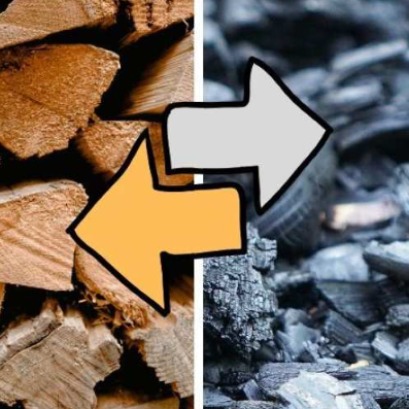 Canadian researchers make biochar from wood waste that rivals steel in strength
Researchers at the University of Toronto have developed monolithic biochar from wood that can reach an axial hardness of up to 2.25 GPa, similar to mild steel.
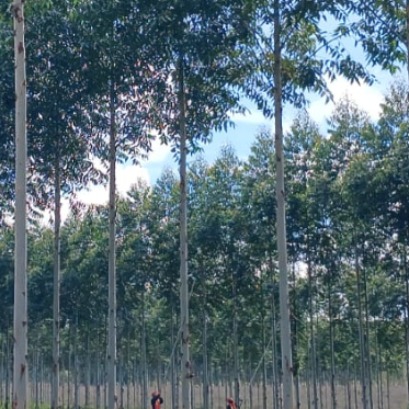 Paraguay | The plantations became instruments of territorial development and the generation of decent employment, INFONA highlights.
Plantings in different phases, control of ants and weeds, pruning and thinning, mechanized harvest, technology applied to the field and complete integration of the production cycle were part of the CREA Forestal proposal in its Technical Update Conference – JAT Forestal 2025. The event took place on Friday, November 14, at Estancia Ñemity, located in San Juan Nepomuceno, Caazapá, where agricultural producers, technicians, contractors, students and companies in the sector met to observe the forestry business of the future in action.
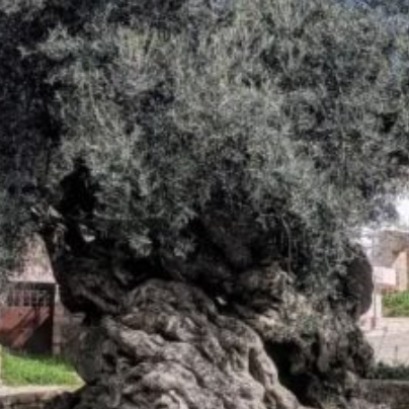 Experts cant believe it, but this tree is the oldest in the world and continues to bear fruit: it is 4,000 years old.
Nature keeps secrets that defy the passage of time, and one of the most surprising examples is a tree that, approximately 4,000 years old, continues to bear fruit today. This specimen has become a symbol of resistance and longevity, capable of surviving climate changes, landscape transformations and human activity itself.