Los cirujanos del corcho
3.000 jornaleros luchan por producir cada verano el 30% del corcho mundial en un negocio acechado por la crisis
Corta el viento y el corcho con la precisión de un cirujano. Golpes sordos, acompasados y precisos rompen el ascético silencio del Parque Natural de Los Alcornocales (Cádiz). Ni un corte más, ni uno menos. Con su afilada hacha, Juan José Gallego dibuja una línea vertical perfecta en el árbol. “Es una prolongación de mi brazo. Siento cuando ha llegado al tronco”, explica el capataz. Con la empuñadura hace palanca y el corcho de desprende. En no más de 10 minutos ha acabado con el alcornoque. Pasa al siguiente. El ritmo es agotador. Gallego, de 36 años, dirige una cuadrilla de 14 hombres que, durante dos meses en verano, trabaja en la saca del corcho en Cádiz.
A lo largo de la geografía española, son hasta 3.000 trabajadores los que emplea este sector, tradicional y amenazado, pero que es capaz de producir 62.700 toneladas, el 30% de la producción mundial, y colocar a España como el segundo productor del mundo tras Portugal.

IT MAY INTEREST YOU
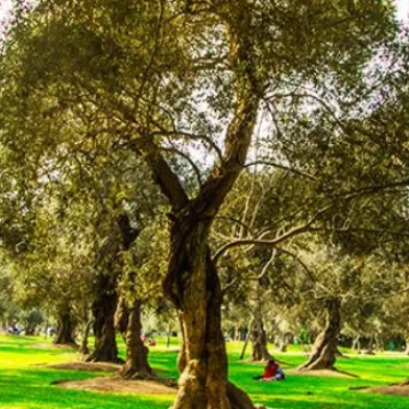 The city in South America that breathes thanks to a thousand olive trees planted in the 17th century
In the heart of South America there is a city that, among the noise and concrete, still breathes thanks to an olive forest
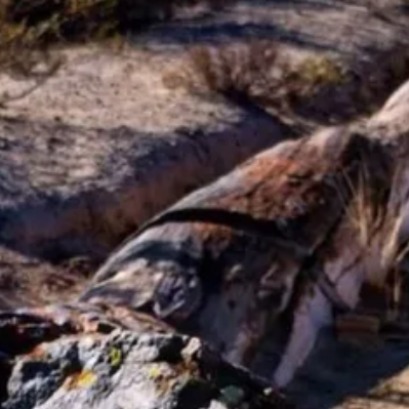 The forest of the oldest shadows: the story of the petrified trees
One of the natural treasures of Río Negro turns 23 years old under the protection law that allows its conservation. Where it is and how it was formed. Río Negro celebrates 23 years of conservation in the petrified forest as a Protected Natural Area (ANP). It is a space of 625 hectares that protects an exceptional site of fossil trunks that date back more than 60 million years.
 Missions | New illegal felling in the Piñalito Provincial Park in San Pedro reveals the silent expansion of deforestation in protected areas
The advance of deforestation on protected areas was once again evident this week in the Piñalito Sur Provincial Park, in San Pedro, where the Ministry of Ecology and Renewable Natural Resources confirmed a new case of selective illegal logging. The event occurs in a context of growing concern about the fragility of the environmental control system in rural and border areas, where the scarcity of resources, personnel and logistics limits the capacity of surveillance against criminal organizations organized to steal native woods and market them on the black market in connivance with sawmill owners.