
The Atacama Desert, the driest in the world, is experiencing a historic flowering thanks to El Niño in Chile
Santiago de Chile (EFE).- The Atacama Desert, located in northern Chile and considered one of the driest places in the world, has been a dazzling carpet of fuchsia-colored wildflowers for weeks, thanks to the heavy rains that have fallen during the winter months in the southern hemisphere.
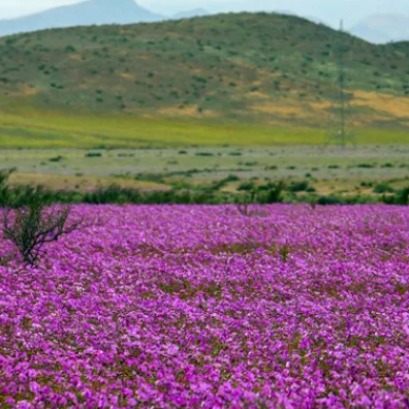
The so-called flowering desert is a unique spectacle in the world, which this year is experiencing one of its most intense and extensive episodes since 1997, due to the meteorological phenomenon of El Niño. More than 200 native species, such as the añañuca, the lions claw, the guanaco paw and the jote flower, dress the red and rocky soil of the desert, located between the Pacific Ocean and the Andes mountain range, along about 1,600 kilometers along the northern coast of Chile.The phenomenon in the Atacama DesertThe average annual rainfall in this area without El Niño is two millimeters of water, but this year record rainfall has been recorded between July and September in several localities, such as Vallenar, where up to 183.5 mm fell.In addition to the flowering, the storms have also left floods and mudslides in several areas of northern Chile, with dozens of homes affected.El Niño, a natural climate phenomenon in which the surface waters of the Ocean The central and eastern Pacific are experiencing anomalous warming, altering weather patterns around the world and causing extreme weather events. According to the National Forestry Corporation (CONAF), the flowering desert covers an equivalent of 23% of the Atacama region this year, which is equivalent to 17,000 square kilometers and makes it one of the most extensive events in recent decades. The explanation: Thousands of flower seeds, bulbs and rhizomes remain dormant or dormant under the dry sand all year round on the ground, waiting for the winter rains. Most of the flowers will have disappeared by November, but the most drought-resistant species can remain until January. Authorities believe that the season will close with record tourist numbers, with thousands of people traveling from different parts of the country to see the flowering desert.