
FAO State of the Forests 2026: The world needs to restore 470 million hectares to meet 2030 forest goals
The restoration of forests and forest landscapes is emerging as a key strategy for addressing—in an integrated manner—the challenges of food insecurity, climate change, biodiversity loss, and land degradation. This is the central premise of the 2026 edition of *The State of the World’s Forests*, a report recently released by the Food and Agriculture Organization of the United Nations (FAO), which advocates for the expansion of restoration initiatives through an approach that aligns environmental
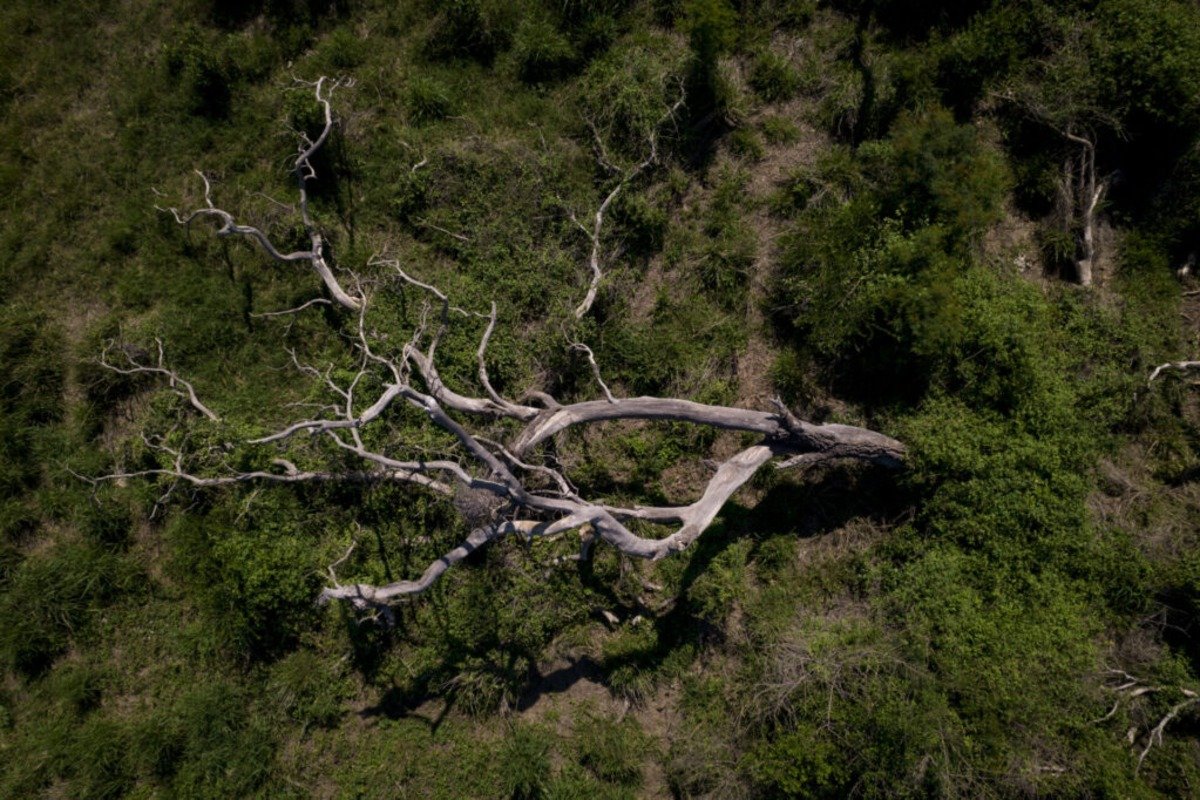
Currently, 1.56 billion hectares of land worldwide are degraded, 460 million hectares of which are forest land. Given the scale of this problem, the report argues that it is urgent to expand effective restoration initiatives, especially in light of the growing global demand for land-based products and services.
FAO Director-General Qu Dongyu highlighted the strategic importance of forests in this context. Forests cover 4.14 billion hectares—approximately 32% of the planet’s land surface—store 714 gigatonnes of carbon, and harbor up to 80% of the world’s terrestrial biodiversity.
Furthermore, they play a fundamental role in the resilience of agrifood systems. The food security and livelihoods of nearly one-third of the global population depend on forests and trees.
Degradation continues to advance
Although the rate of forest loss has slowed, deforestation continues to exert significant pressure on ecosystems. It is estimated that, since 1990, deforestation has resulted in the loss of 489 million hectares of forest worldwide.
Compounding this is an increasing exposure to disturbances. Each year, approximately 127 million hectares of forest are affected by fires, while insects, diseases, and severe weather events damage at least another 50 million hectares.
Against this backdrop of ongoing loss and degradation of forest ecosystems—coupled with a rising demand for land-based goods and services—the FAO emphasizes the need to scale up restoration initiatives and improve both their quality and reach.
The 2026 report specifically identifies the restoration of forests and landscapes as an essential response to challenges that are interconnected on a global scale. Drawing on the latest data and experiences from around the world, the FAO identifies four key pathways to accelerate restoration: empowering people and strengthening their rights; implementing landscape-scale initiatives; mobilizing funding and business models that support restoration; and establishing coherent policies, institutions, and legal frameworks.
The document brings together recent data and innovations, analyzing integrated pathways to assist countries and FAO partners in planning, implementing, monitoring, and scaling up restoration initiatives.
Restoring to conserve and produce
Forest and landscape restoration has taken center stage in global sustainable development strategies. Within the framework of the UN Decade on Ecosystem Restoration (2021–2030), the FAO emphasizes that high-quality, integrated restoration can serve as a common approach to foster environmental recovery, strengthen livelihood resilience, and advance sustainable development.
The organization views restoration as a high-impact, cost-effective solution that, under the right conditions, can yield returns of up to USD 30 for every dollar invested.
At the same time, the report warns that the cost of inaction may exceed the cost of restoration, given the significant social and cultural losses involved. It therefore underscores the need to scale up efforts through people-centered, well-managed actions backed by sufficient funding.
Progress made, but still insufficient
The FAO also notes some progress. Through the Global Forest Resources Assessment (FRA) 2025, countries reported that nearly 44 million hectares of forest are currently undergoing restoration.
Furthermore, they reported that more than 206 million hectares of terrestrial ecosystems are being restored in line with Target 2 of the Kunming-Montreal Global Biodiversity Framework. However, the organization warns that this progress is uneven and still insufficient to meet growing global needs and to narrow the gap between the commitments made and their long-term impact.
In this context, forest and landscape restoration takes place across diverse territories and seeks to strike a balance between conservation and production, while also taking into account the needs of communities and their livelihoods.
The FAO report identifies four mutually reinforcing pathways that it considers essential for scaling up high-quality restoration.
• The first is to place people at the center. The organization asserts that Indigenous Peoples and local communities must be recognized as key stakeholders, and that their rights, knowledge, and priorities should help shape the outcomes of restoration processes.
• The second is to work at the landscape scale. Restoration must