
Native forest and integrated livestock: there are 12 provinces that promote 40 forest management plans for conservation and low-impact production
Livestock farming and the native forest do not necessarily have to advance on separate paths. With planning and management, both can coexist within the same establishment, and that is the idea that drives an initiative that is already being put into practice in different regions of the country.
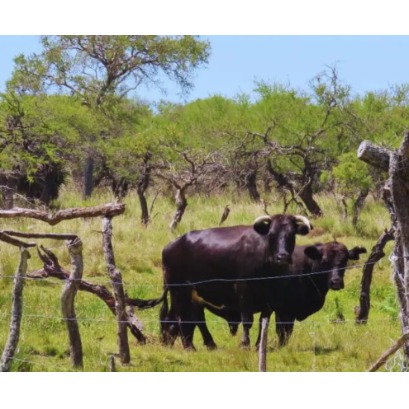
INTA specialists are working on the development of 40 Forest Management with Integrated Livestock (MBGI) plans in establishments in 12 provinces. The proposal seeks to strengthen livestock production without losing sight of the conservation of biodiversity and the services provided by these ecosystems. The initiative arises from a Letter Agreement between INTA and FAO, with the aim of reducing deforestation and degradation of native forests through sustainable management. Produce while caring for the forest The MBGI approach organizes livestock and forestry use within the same establishment according to the characteristics of each environment. Among its benefits are greater carbon fixation, the conservation of biodiversity and a better capacity to respond to periods of drought. It also allows progress towards systems compatible with the environmental requirements of international markets. For Pablo Peri, coordinator of INTAs National Forestry Program, the initiative allows the establishments to bring more than two decades of knowledge and technological solutions generated by the organization. The teams collect environmental and socioeconomic information, prepare cartography and forest inventories and analyze the livestock load, infrastructure, risks and the particular conditions of each field. Based on this diagnosis, plans are designed that may include investments in forestry use, livestock management, forage production, infrastructure and monitoring. According to Hernán Hernández, coordinator of the INTA Project I068, the experience will allow us to know the productive, economic and environmental performance of these models in different types of forests. The establishments are distributed in Santiago del Estero, La Rioja, Córdoba, Jujuy, Salta, Tucumán, Santa Fe, Buenos Aires, Neuquén, Río Negro, Chubut and Corrientes. INTA also integrates the technical team that supports four other sites in San Luis. In addition to accompanying the producers, the work will allow evaluating how these systems respond in different productive and environmental realities and generating information to adjust management practices. From the FAO, Agustina Soto Castello, coordinator of the MBGI component, explained that the project includes a specific line of financing for livestock producers aimed at formulating and implementing the plans. With planning, technical assistance and investments at the farm level, the initiative seeks to strengthen production and, at the same time time, reduce the degradation of the native forest, preserving the biodiversity and environmental services that these ecosystems sustain.