Virtual training | INTA Misiones, RENATRE and the SRT provide training on plant management, risk prevention and good practices in rural work
The National Registry of Rural Workers and Employers (RENATRE), together with the National Institute of Agricultural Technology (INTA) and the Superintendence of Occupational Risks (SRT), will teach the virtual course “Introduction to plant management and good yerba mate practices”, a training proposal aimed at incorporating technical knowledge about the cultivation of yerba mate and promoting safer working conditions.
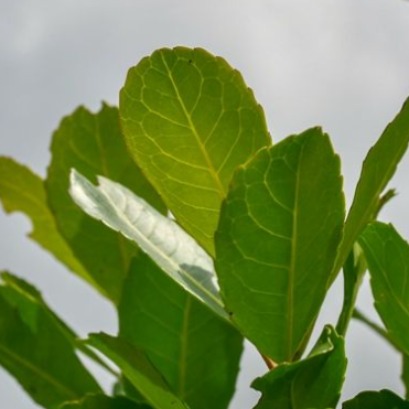
The activity is part of an inter-institutional coordination that brings together organizations linked to rural production and work. As explained by Dr. Sandra Molina, head of the Yerba Mate and Tea Group at the Cerro Azul Agricultural Experimental Station of INTA, the initiative is part of a joint work process that has been developing for several years. The delivery of the course is part of the inter-institutional work developed by the Quadripartite Commission of the Yerba Mate sector, made up of the Superintendence of Occupational Risks (SRT), RENATRE, UATRE and UART, with the participation of INTA – EEA Cerro Azul, INYM and the Ministry of Agriculture and Production of Misiones, he noted. Within this framework, in 2020 the Good Practices Manual was prepared. Yerbatera Activity/Cultivation and harvest, a tool aimed at promoting appropriate practices and improving working conditions in the sector. From this articulation, in-person training was carried out in different parts of the yerbatera region, aimed at workers and other actors in the activity. The new proposal incorporates the virtual modality to expand the territorial scope and facilitate access to the contents. Plant management and risk prevention The course is aimed mainly at rural workers who participate in harvest tasks, in addition to producers, contractors and other people linked to field work. Molina highlighted that the proper management of the plant and the application of good practices allow preserving the productivity and quality of production, favoring the sustainability of the crop and reducing the risks associated with rural tasks. The training will integrate the technical and productive knowledge provided. by the Yerba Mate and Tea team of INTA Cerro Azul with the contents of prevention, safety and occupational health addressed by the SRT. The contents will be organized into three axes. The first includes the phenology and management of the plant, with its main stages of development and the particularities that must be considered depending on the time of the production cycle. The second will focus on the harvest, the basic principles of cutting techniques — including the mature branch pruning system —, the management of the branches and the care necessary to preserve the productive capacity and health of the plants. The third axis will address prevention and safety at work, with special attention to the risks associated with handling and harvest, the proper use of tools and elements personal protection, and guidelines to prevent accidents. In this way, the proposal seeks to provide basic knowledge and practical tools to improve daily tasks and strengthen the prevention of occupational risks in the yerba mate activity. INTAs contribution to good practices The course is also linked to the lines of research, extension and transfer that INTA develops to improve the management of yerba mate cultivation. For years we have been working on the generation, validation and transfer of knowledge and technologies aimed at improving crop management practices, Molina explained. Among the The main lines of work are genetic improvement and selection of materials, soil and plant management, nutrition, health management, harvesting systems and the incorporation of Ag Tech technologies. Based on the information generated, the organization establishes technical recommendations to contribute to improving productive practices in the different stages of cultivation. This work is complemented with conferences, courses, extension activities and technical assistance aimed at producers, herbal workers and professionals in the sector. In this sense, Molina highlighted that the virtual proposal is part of the actions of training and transfer that INTA carries out together with other institutions, with the purpose of providing technical knowledge and promoting good practices in yerba production.