Red gold: the well -known Latin American tree that is a luxury and culture symbol
The wood of this iconic exemplary is vital for the environment and represents durability, beauty and versatility. In Latin America, there is an iconic tree that stands out not only for its important presence, but also because the quality of wood is such that it is known as red gold.
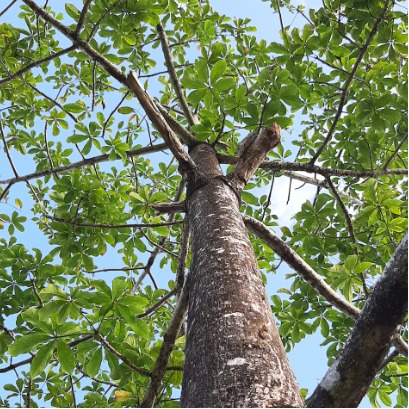
This tree, a symbol of the natural wealth of the region, not only stands out for its beauty, but also for its vital importance for the environment, economy and local culture. For centuries, its durability, versatility and attraction have made it a key resource for various communities. It is about the so -called mahogany tree (scientifically known as Swietenia Macrophylla), originally from the tropical forests of Latin America. It is known for its wood, its resistance to pests and its ability to withstand the most extreme climatic conditions. Another extraordinary characteristic of this mahogany tree, is that its wood is the preferred material for luxury furniture, musical instruments and high -end vessels. This tree, whose silhouette looks like a whale crossing the sea, grows in countries such as Brazil, Bolivia, Peru, Peru, Ecuador, Ecuador, Colombia and Venezuela North, from Panama to Mexico, where phenomena such as hurricanes and floods have facilitated their regeneration. It grows, however, intensive exploitation and illegal logging significantly reduced its populations, which has led to its inclusion in Appendix II of the CITES, regulating its international trade. His cultural significance is extremely strong, since in local communities, mahogany represents strength and connection with nature. It is used in crafts and, in some cases, in traditional medicine, although without solid scientific evidence. Caoba not only beautifies tropical forests, but also supports ecosystems and cultures. However, for many environmentalists their future depends on sustainable practices that balance their use with conservation.
IT MAY INTEREST YOU
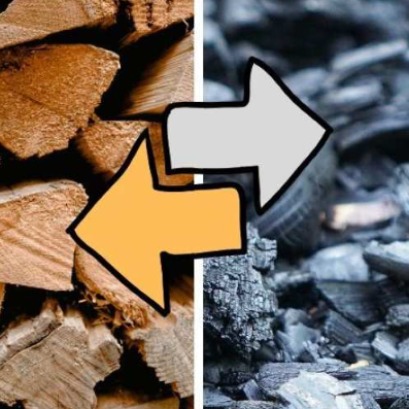 Canadian researchers make biochar from wood waste that rivals steel in strength
Researchers at the University of Toronto have developed monolithic biochar from wood that can reach an axial hardness of up to 2.25 GPa, similar to mild steel.
 Native forest | In Misiones, controls are tightened on routes for illegal transport of native wood, logging of forests without permits and fraudulent digital guides
Informality in forestry activity in Misiones was once again evident, the culture of operating illegally is a historical problem, and the Ministry of Ecology and Renewable Natural Resources carries out the corresponding control and inspection operations in the regulation of productive activity and sustainable management for the use of native forests.
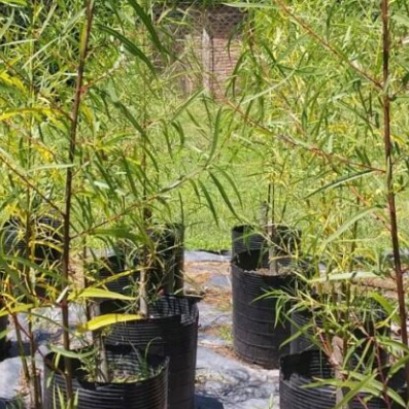 INTA Delta begins propagation of seven Creole willow clones for ecological restoration in Paraná
As a result of the rescue, domestication and registration work carried out by Teresa Cerrillo, a leading researcher in Salix Genetic Improvement, within the framework of the National Genetic and Forest Resources Programs of INTA, the multiplication and propagation of seven clones of Creole willow (Salix humboldtiana) began recently registered in the National Seed Institute (INASE) by INTA Delta del Paraná.