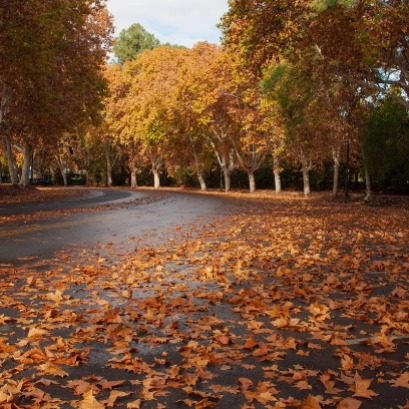
Why do the leaves of the trees change color in autumn?
In autumn, the trees exhibit a change in the color of their leaves as a result of the reduction of sunlight and the decrease in temperatures. All the details.
With the arrival of autumn, the leaves of the trees change color due to a natural process related to the reduction of sunlight and the fall of temperatures. As the days are shortened and the cold increases, in the trees other pigments that give the leaves give the leaves their yellow, orange, red and brown tones characteristic of this station. We tell you what it is. Why do the leaves of the trees change color in autumn? During spring and summer, the leaves of the trees remain green thanks to chlorophyll, the essential pigment for photosynthesis. This substance allows plants to capture sunlight and transform it into chemical energy for growth. However, as autumn approaches and shorten the days, the amount of sunlight decreases and temperatures descend. In response, trees stop the production of chlorophyll, since photosynthesis is reduced and is more expensive energy. Carotenoids are responsible for yellow and orange colors, while anthocyanins produce reddish or violet tones. The combination of these pigments, together with the cellular structure of each species, determines the color palette that characterizes autumn. The fall of the leaves allows the tree to reduce the loss of water and prepare for the winter, when the climatic conditions are more adverse. Thus, the color change of the leaves in autumn is the result of the interaction between environmental and physiological factors, and reminds us of the delicate balance of nature.
IT MAY INTEREST YOU
 Missions | New illegal felling in the Piñalito Provincial Park in San Pedro reveals the silent expansion of deforestation in protected areas
The advance of deforestation on protected areas was once again evident this week in the Piñalito Sur Provincial Park, in San Pedro, where the Ministry of Ecology and Renewable Natural Resources confirmed a new case of selective illegal logging. The event occurs in a context of growing concern about the fragility of the environmental control system in rural and border areas, where the scarcity of resources, personnel and logistics limits the capacity of surveillance against criminal organizations organized to steal native woods and market them on the black market in connivance with sawmill owners.
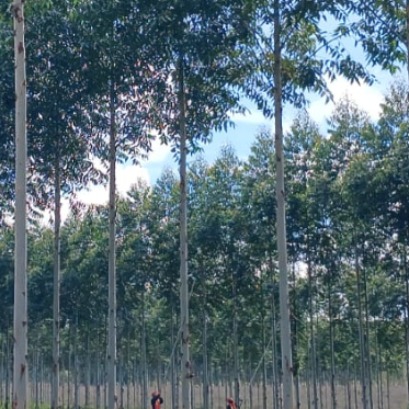 Paraguay | The plantations became instruments of territorial development and the generation of decent employment, INFONA highlights.
Plantings in different phases, control of ants and weeds, pruning and thinning, mechanized harvest, technology applied to the field and complete integration of the production cycle were part of the CREA Forestal proposal in its Technical Update Conference – JAT Forestal 2025. The event took place on Friday, November 14, at Estancia Ñemity, located in San Juan Nepomuceno, Caazapá, where agricultural producers, technicians, contractors, students and companies in the sector met to observe the forestry business of the future in action.
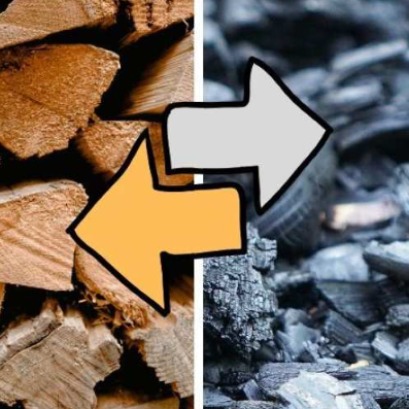 Canadian researchers make biochar from wood waste that rivals steel in strength
Researchers at the University of Toronto have developed monolithic biochar from wood that can reach an axial hardness of up to 2.25 GPa, similar to mild steel.